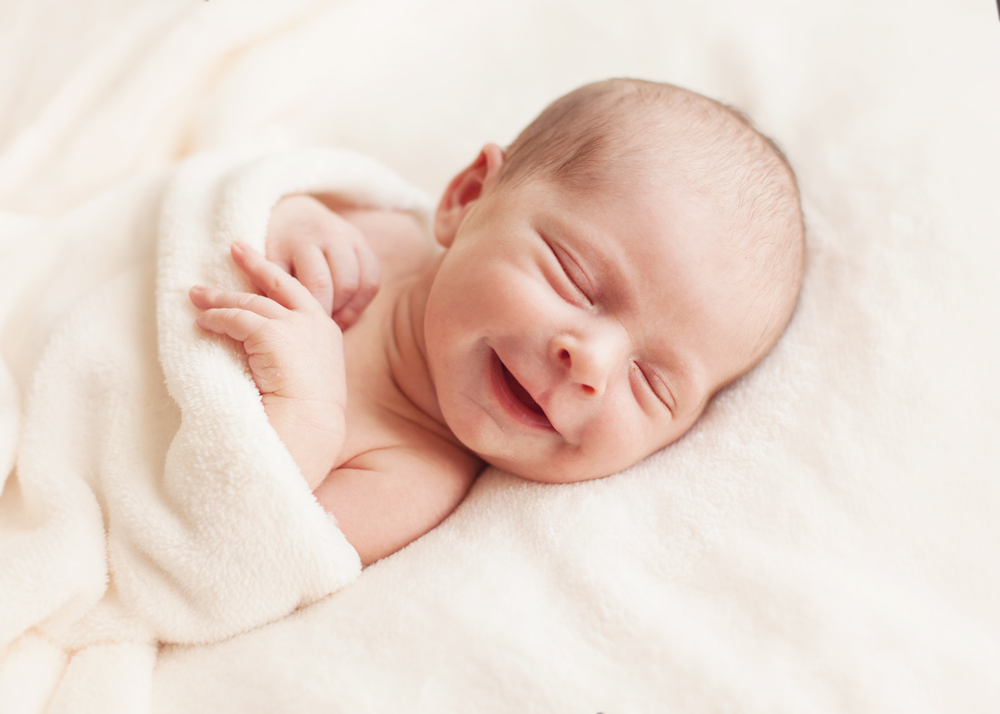



Jakarta, ThedailyID — A baby suddenly smiling while asleep can be an adorable sight. But while many parents may assume their little one is having a pleasant dream, science offers a different explanation.
A study published in Sleep Medicine observed 12 healthy newborns during three hours of sleep. Researchers recorded 377 smiles, with 98.4% occurring during active sleep, a sleep stage associated with rapid eye movements and increased physical activity.
During active sleep, newborns can move their eyes, twitch their faces and limbs, suck, grimace and smile. These expressions can occur spontaneously as the baby’s nervous system develops.
Not Necessarily a Sign of Happiness
Newborn smiles should also be distinguished from social smiles. A spontaneous smile can appear during sleep without any interaction, while a social smile develops later as babies begin responding to faces, voices and people around them.
Spontaneous smiles generally become less common around 2 to 3 months of age, as social smiles become more prominent.
That means a sleeping newborn who suddenly smiles is not necessarily experiencing happiness in the same way adults do. The expression can instead reflect activity within the developing nervous system.
Are Babies Dreaming?
Newborns spend considerable time in active sleep, a stage that shares some characteristics with REM sleep in adults. Since REM sleep is associated with dreaming in adults, it is tempting to assume babies are dreaming too.
However, researchers cannot yet determine whether a newborn’s smile reflects a dream, let alone a pleasant one. The baby’s subjective experience during sleep remains difficult to measure.
Instead, research points toward activity in the nervous system, including networks in the developing brain, as an important factor behind spontaneous smiling during sleep.
So, the next time a sleeping baby flashes a tiny smile, it may not be dreaming of something funny. Their brain could simply be busy developing.