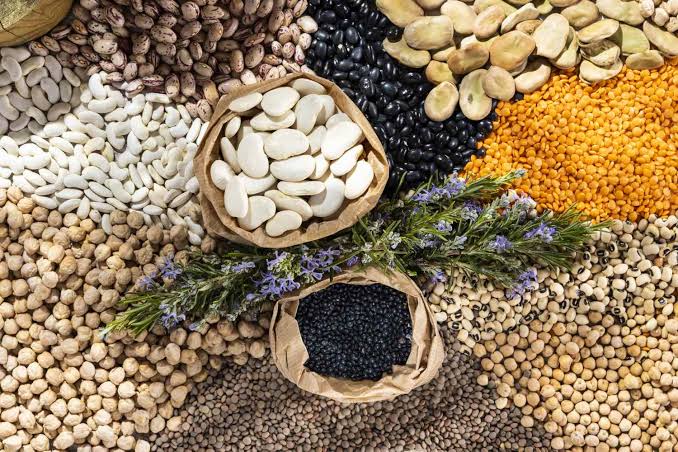


Jakarta, ThedailyID — Beans can be an easy addition to a heart-healthy diet. They provide plant-based protein, fiber, and minerals while generally containing no cholesterol and less saturated fat than many animal-based protein sources.
“They’re high in fiber, they don’t have any cholesterol and they don’t have any saturated fat,” said Dr. Steve Lome, a lifestyle medicine cardiologist, in his YouTube channel, Thursday (27/08).
Here are six types of beans that can be included in a balanced diet to support heart health.
1. Soybeans
Soybeans are high in protein and contain potassium, making them a useful alternative to animal-based foods that are higher in saturated fat. In Indonesia, soybeans are commonly consumed as tofu and tempeh.
For a healthier option, try steaming, boiling, or stir-frying them with minimal oil.
2. Black Beans
Black beans are rich in fiber and contain minerals such as magnesium, calcium, and phosphorus. Their fiber content can also help you feel full for longer, while magnesium plays a role in maintaining blood pressure and heart function.
They can be added to salads, soups, or rice dishes.
3. Chickpeas
Chickpeas are relatively high in fiber and low in sodium. They also contain polyunsaturated fats that can fit into a heart-healthy eating pattern.
They can be used in salads, soups, or made into hummus.
4. White Beans
White beans provide fiber, B vitamins, potassium, folate, and magnesium. These nutrients make them another option for people looking to build a heart-friendly diet.
They work well in soups with vegetables such as carrots and potatoes.
5. Pinto Beans
The American Heart Association lists pinto beans among heart-healthy choices. They contain fiber and thiamine, which helps the body convert food into energy.
Pinto beans can be added to soups, salads, or rice-based dishes.
6. Mung Beans
Mung beans are a practical option in Indonesia and can be prepared in several ways, including as mung bean porridge.
To make the dish more heart-friendly, limit added sugar and coconut milk.
How you prepare beans also matters. Boiling, steaming, or adding them to soups and stir-fries can help keep meals lower in fat and salt. For canned beans, choose low-sodium options and rinse them before eating.
Replacing some foods high in saturated fat with plant-based protein from beans can be a simple way to support a healthier diet.