

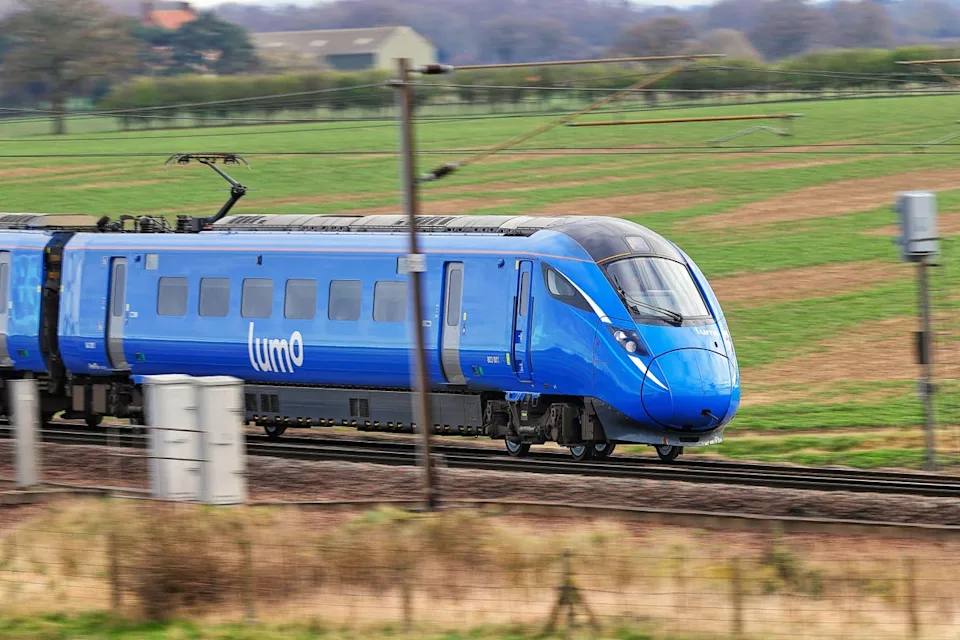


Jakarta, ThedailyID — Passengers traveling on a Lumo train in the United Kingdom faced a journey of more than five and a half hours without access to onboard toilets after every restroom on the train broke down.
Lumo, a rail operator owned by FirstGroup, continued operating several services on its West Coast Main Line between London Euston and Stirling in central Scotland despite the complete failure of the train’s toilet facilities.
The company confirmed the technical issue in a post on X, formerly Twitter, on August 1.
To reduce inconvenience, Lumo extended stops at several stations along the route, including Preston. This allowed passengers to leave the train temporarily and use station toilets before continuing their journey.
One of the worst-affected services was the train that departed London Euston at 6:11 a.m. on Friday. The service arrived 58 minutes late and ended its journey early at Motherwell Station in North Lanarkshire.
Lumo operates its West Coast route using refurbished Class 222 Meridian trains. East Midlands Railway also uses the same train model and has recently reported similar toilet reliability issues.
Although the route between London and Stirling covers about 417 miles (671 kilometers), UK railway regulations do not legally require operators to provide onboard toilets.
A Lumo spokesperson apologized for the disruption and said engineers are working to resolve the issue.
“We recognize the reliability issues affecting several toilet facilities on our West Coast fleet,” the spokesperson said. “We are working closely with Alstom to resolve the technical problems as quickly as possible.”
Alstom carried out the refurbishment of Lumo’s Class 222 trains.
In addition to the West Coast Main Line, Lumo also operates services on the East Coast Main Line, connecting London King’s Cross with Edinburgh, Glasgow, and Falkirk.
The company operates under an open-access model, meaning it sets its own fares, bears its own commercial risks, and does not receive government subsidies. As a result, Lumo is not affected by the UK government’s ongoing rail nationalization program for franchised operators.