

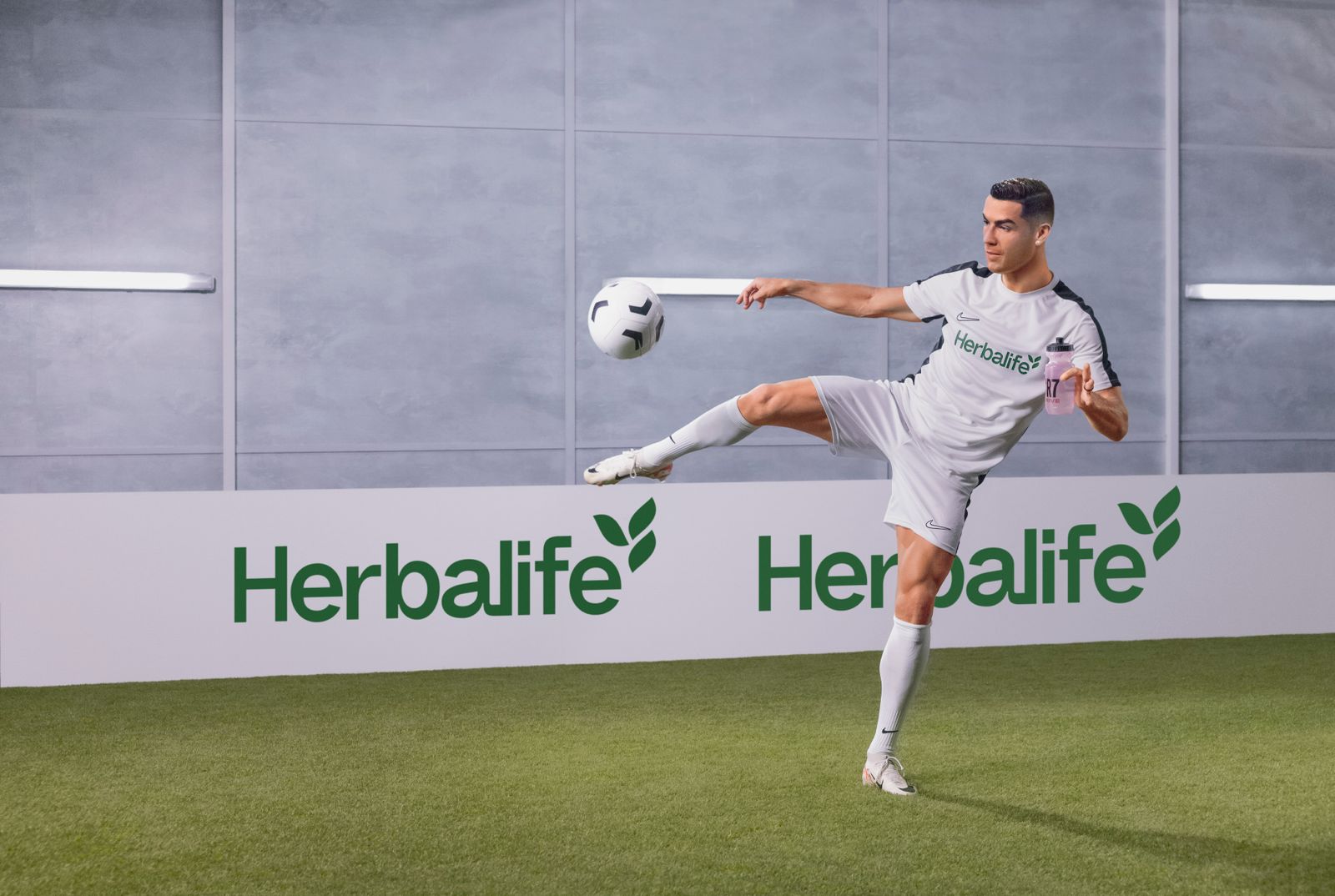
Jakarta, ThedailyID — Halftime may seem like a simple break in a football match. However, sports nutrition experts say the 15-minute interval can determine an athlete’s performance in the second half. Proper hydration, electrolyte replacement, and carbohydrate intake all play crucial roles in maintaining endurance, focus, and reaction speed.
According to Dr. Krissy Ladner, Director of Sports Performance and Nutrition Education at Herbalife, athletes can lose between one and three liters of sweat every hour during training or competition. Losing just 2% of body weight through dehydration can significantly reduce sprint speed, dribbling ability, reaction time, and overall endurance. A 4% loss may even require medical treatment.


For an athlete weighing around 82 kilograms, losing less than 1.6 kilograms of fluid is enough to reach the 2% dehydration threshold. That amount of fluid can easily disappear during a 90-minute football match played in warm conditions.
Sweat contains much more than water. It also carries essential electrolytes, including sodium, chloride, potassium, magnesium, and calcium. Each mineral helps regulate muscle contractions, nerve function, heart health, blood pressure, and fluid balance.
When the body loses too many electrolytes, athletes may experience muscle cramps, headaches, fatigue, slower reaction times, dizziness, and, in severe cases, irregular heartbeats.
Because of this, Dr. Ladner explained that drinking only water is often insufficient during exercise lasting longer than one hour. While water replaces lost fluids, it cannot restore sodium, which helps the body retain water and improves fluid absorption.
Instead, properly formulated sports drinks offer additional benefits. They provide carbohydrates for energy, sodium to replace lost electrolytes, and a taste that encourages athletes to drink enough throughout competition.
During halftime, Dr. Ladner recommends focusing on three priorities: carbohydrates, electrolytes, and fluid intake.
Athletes should consume 30–60 grams of easily digestible carbohydrates, equivalent to a sports drink with a banana, an energy gel, or a small serving of energy chews. These carbohydrates replenish muscle glycogen and support brain function, helping players maintain concentration and decision-making during the second half.
Sodium should remain the primary electrolyte replacement. Although potassium and magnesium are also important, sodium plays the biggest role in preventing dehydration and maintaining fluid balance.
Athletes should also drink around 350–700 milliliters of fluid during halftime, followed by 120–240 milliliters every 15 minutes during the match. This strategy minimizes fluid loss while helping regulate core body temperature without causing stomach discomfort.
Dr. Ladner said the same hydration principles apply beyond professional athletes. Recreational football players, runners, cyclists, and anyone exercising for more than an hour or sweating heavily should consider replacing both fluids and electrolytes instead of relying solely on water.
She also recommends two simple ways to monitor hydration. First, compare body weight before and after long exercise sessions. A loss of 2% or more suggests dehydration that can reduce performance.
Second, check urine color. Ideally, it should appear pale yellow, similar to lemonade. Darker urine may indicate inadequate hydration.
For people who prefer not to monitor body weight or have a history of eating disorders, coaches or support staff can privately track hydration status without focusing on the numbers.
Dr. Ladner concluded that halftime should not be viewed as just a pause in the game. Instead, it is the critical window when second-half performance begins to take shape—one sip at a time.