

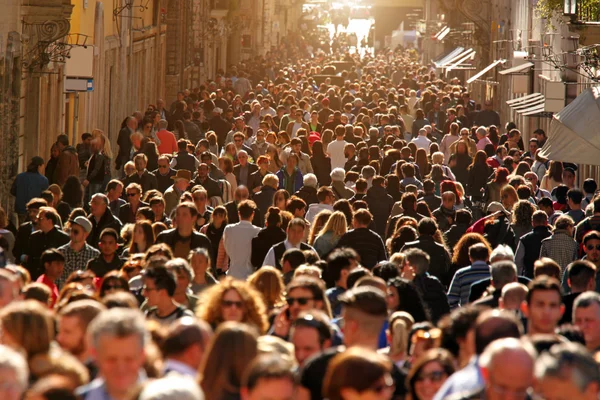
Jakarta, ThedailyID — A new study suggests the global human population has reached a level that may exceed Earth’s long-term sustainable capacity.
Researchers estimate the world’s population now stands at around 8.3 billion people. The figure has renewed concerns about resource consumption, environmental pressure, and the planet’s ability to support future generations.


The study argues that population growth alone is not the main issue. Instead, researchers point to rising consumption patterns, energy use, and increasing demand for food, water, and land.
According to the findings, human activity continues to place growing pressure on ecosystems across the globe. Climate change, biodiversity loss, deforestation, and resource depletion remain among the key challenges linked to expanding human demands.
The researchers warned that many regions already face environmental stress. Several countries have experienced water shortages, declining agricultural productivity, and extreme weather events linked to climate change.
However, the study does not predict an immediate crisis. Instead, it calls for more sustainable development policies, efficient resource management, and technological innovation to reduce environmental impacts.
Experts also stressed that population size should not be viewed in isolation. Economic systems, consumption habits, and technological advances play equally important roles in determining whether human societies can remain sustainable.
The report comes as governments worldwide face growing pressure to balance economic growth with environmental protection and climate goals.
Researchers said future policies should focus on improving resource efficiency, reducing waste, and supporting sustainable lifestyles to help ease pressure on the planet.