

Jakarta, ThedailyID — Indonesia once housed one of the world’s oldest international learning centers through the powerful Srivijaya Empire.
Long before modern universities appeared in Europe, Srivijaya had already built a strong reputation as a center for Buddhist education in Asia. Historians stated that the kingdom became widely known for its academic influence starting in the 7th century.


That timeline makes Srivijaya significantly older than University of Oxford, which began operating around 1096 AD.
According to historical records, students and monks from different regions traveled to Srivijaya to study religion, philosophy, and language. The kingdom later became an important destination for Buddhist scholars across Asia.
One of the best-known visitors was I-Tsing, a Buddhist monk and explorer from China. He arrived in Srivijaya in 671 AD and stayed for several months to study Sanskrit.
In his writings, I-Tsing described Srivijaya as an active center of learning filled with monks from many countries. His records later became one of the most important historical references about education in the kingdom.
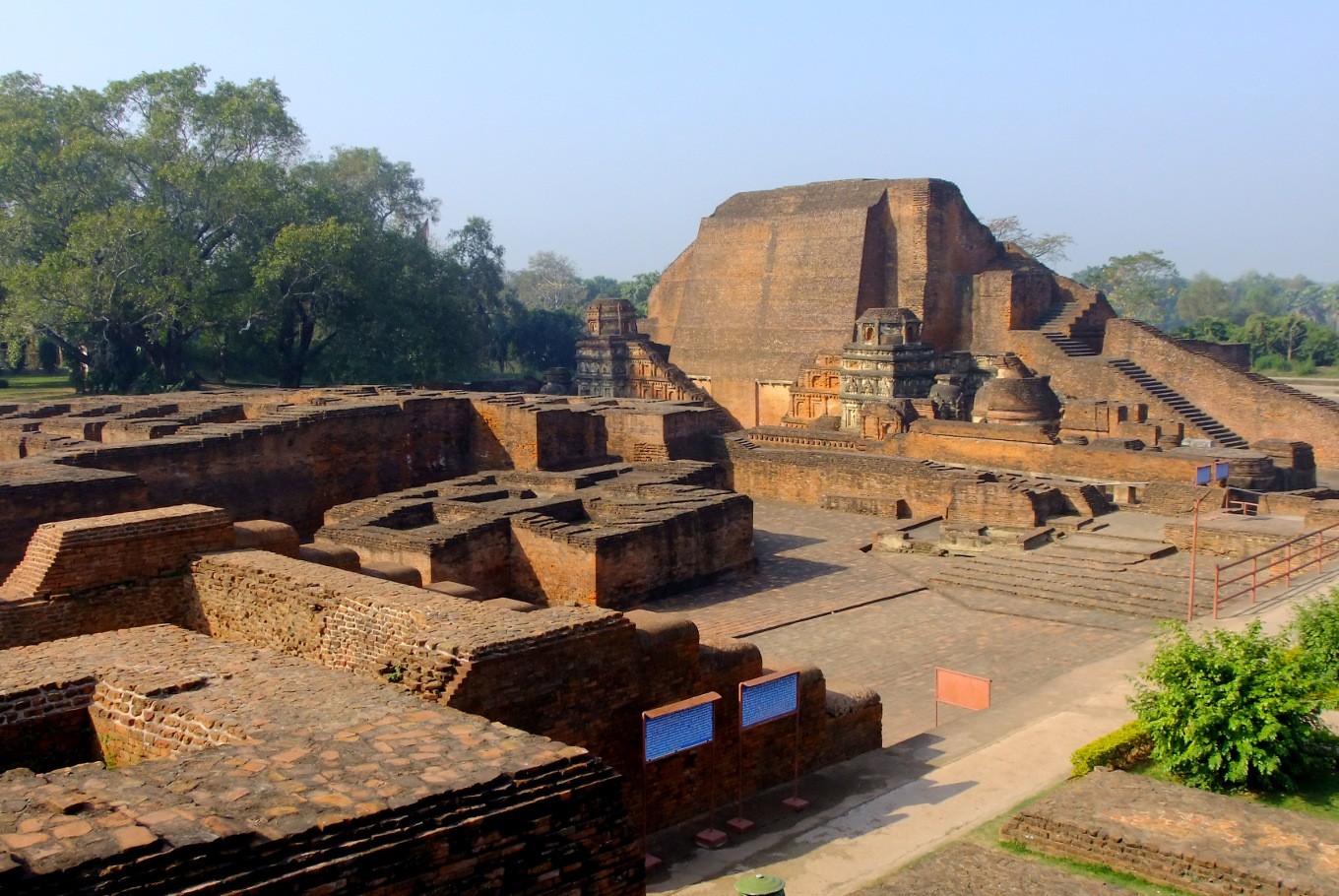
Researchers also linked Srivijaya’s academic reputation to the quality of its teachers. Many Buddhist scholars in the kingdom previously studied at Nalanda University in India, which was considered one of the world’s top Buddhist institutions at the time.
Because of this connection, educational standards in Srivijaya reportedly matched those found at Nalanda. Some monks even treated Srivijaya as a preparation center before continuing their studies in India.
Another major figure connected to Srivijaya was Atisha Dipamkara. The scholar from India arrived in Sumatra in 1013 and studied under the Buddhist teacher Dharmakirti for around 13 years.
After completing his studies, Atisha returned to India and spread knowledge influenced by Srivijaya’s teachings.
Despite its major influence, Srivijaya’s educational glory eventually faded during the 13th century. Internal conflicts and attacks from rival kingdoms weakened the empire over time.
The kingdom’s collapse also marked the decline of one of the most influential educational centers in early Indonesian history.