

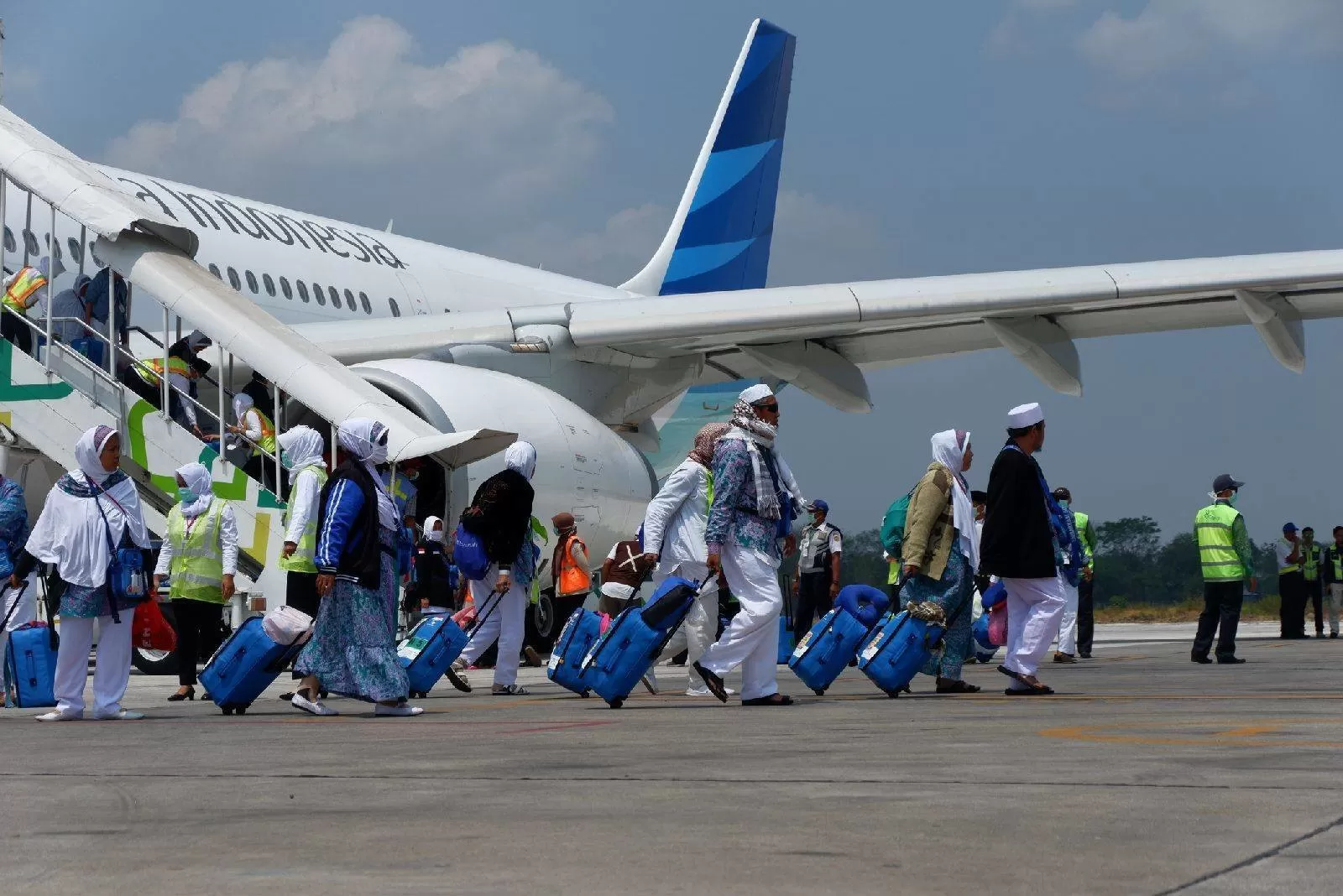
Jakarta, ThedailyID — Indonesia’s hajj waiting list has reached up to 48 years, while millions of eligible Muslims have yet to register for the pilgrimage.
The 2026 hajj season is currently underway. Indonesia has sent 221,000 pilgrims to Saudi Arabia this year. However, the figure represents only a fraction of total demand. More than five million people remain on the national waiting list. Meanwhile, millions of others have not secured a queue number.


Data from the Ministry of Religious Affairs shows that waiting times vary widely across regions.
In North Sulawesi, the waiting period stands at around 17 years. In South Sulawesi, it has reached 48 years, with over 257,000 registered pilgrims. East Java records the largest queue, with more than 1.1 million people waiting around 34 years. Meanwhile, waiting times in West Java and Jakarta reach 30 and 28 years.
This means someone who registers at age 30 in Jakarta may only depart close to age 60. Even small delays in registration can significantly push back departure time.
Group Managing Director and Muslim Pro CEO, Nafees Khundker, said many people still misunderstand when to start planning for hajj.
“Many assume they should wait until they are financially stable. In reality, starting earlier is key,” he said. He added that each year of delay extends an already long waiting period.
Outdated Assumptions
Many Indonesians still view hajj as a final life milestone. People often plan it after completing major responsibilities. However, this mindset no longer fits current conditions. The annual quota remains at 221,000 pilgrims, while demand continues to rise.
The government has attempted to address the issue through policy. A new law aims to equalize waiting times across regions to around 26–27 years. Even so, the timeline remains long for most applicants.
At the same time, age has become a growing concern. Saudi authorities are reportedly reviewing a maximum age limit of 90 years for pilgrims. This creates additional pressure for those already in older age groups.
Younger Generation Still Delaying
The delay trend is also visible among younger adults aged 25 to 40. This group actively plans finances, careers, and travel. However, many still postpone hajj registration.
According to Muslim Pro, which has over 10 million users in Indonesia, many users express interest in hajj or umrah but lack concrete plans.
Still, some shifts have started to appear. Participation in umrah among younger people has increased in recent years. More individuals in their 20s and 30s now treat umrah as an early step toward their spiritual journey.
Starting Early Becomes Key
For many prospective pilgrims, the main challenge lies in taking the first step. Without an initial deposit, applicants cannot obtain a queue number. As a result, they cannot enter the waiting system.
Most pilgrims departing this year registered before 2015. Their early decision allowed them to secure their place. Given current conditions, the key question has shifted. It is no longer about how long the wait is, but when to start.
“The queue has existed for years. The real question is when people decide to enter it,” Nafees said.