

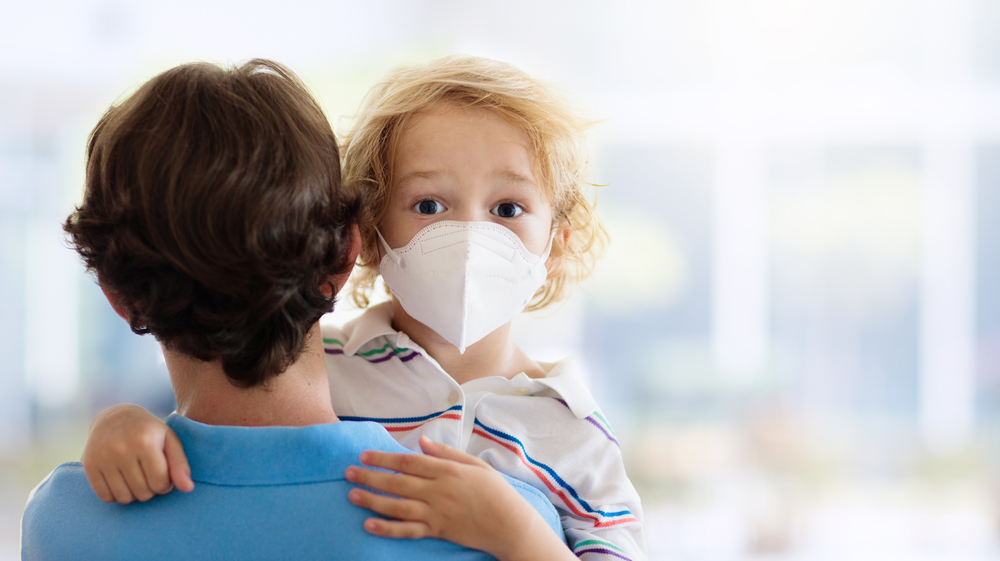
Jakarta, ThedailyID — The Indonesian Pediatric Society (IDAI) has issued seven recommendations to protect children from volcanic ash following the eruption of Mount Anak Krakatau.
IDAI urged parents to remain vigilant and take preventive measures before children develop symptoms. Volcanic ash can irritate children’s respiratory systems and cause breathing difficulties.

Dr. Wahyuni Indawati, head of IDAI’s Respiratory Working Unit, said children may develop several respiratory symptoms after exposure.
“The most common symptoms are respiratory irritation, which can cause sneezing, coughing, runny nose and shortness of breath,” Wahyuni said in a statement on Monday (07/09/2026).
Here are seven recommendations from IDAI for parents:
1. Keep children away from affected areas
If possible, move children to areas away from volcanic ash exposure. If relocation is not possible, children should stay indoors, especially when air quality deteriorates or the Air Pollution Standard Index (ISPU) exceeds 100.
2. Close the house and control air circulation
Keep doors and windows closed to prevent ash from entering the house. Turn off air conditioners that draw air from outside and use recirculation or closed-vent settings.
Parents should also avoid using fans because they can cause settled ash to become airborne again.
3. Keep children away while cleaning ash
Children should stay away from areas being cleaned. Use a wet cloth or wet the surface first to prevent ash particles from becoming airborne.
Avoid sweeping volcanic ash while it is dry.
4. Use masks and eye protection outdoors
Children over two years old who need to go outside should wear a properly fitted child-sized mask. Protective eyewear can also help reduce ash exposure to the eyes.
5. Protect the skin and avoid additional pollution
Children should wear clothing that covers most of their skin to reduce contact with volcanic ash.
Parents should also keep children away from other sources of indoor pollution, including cigarette smoke and cooking fumes, which can worsen respiratory problems.
6. Pay extra attention to children with health conditions
Children with asthma or respiratory allergies need additional attention during periods of volcanic ash exposure.
Parents should ensure that their regular medications remain available. Children should also drink enough water to prevent dehydration.
7. Recognize warning signs and seek medical help
Parents should immediately take children to a healthcare facility if they experience shortness of breath, faster-than-normal breathing or inward pulling of the chest wall.
Medical attention is also necessary if a child’s oxygen saturation falls below 94 percent, based on a fingertip pulse oximeter.
As volcanic ash continues to spread to affected areas, IDAI encourages parents to prioritize prevention and monitor children’s condition closely.