

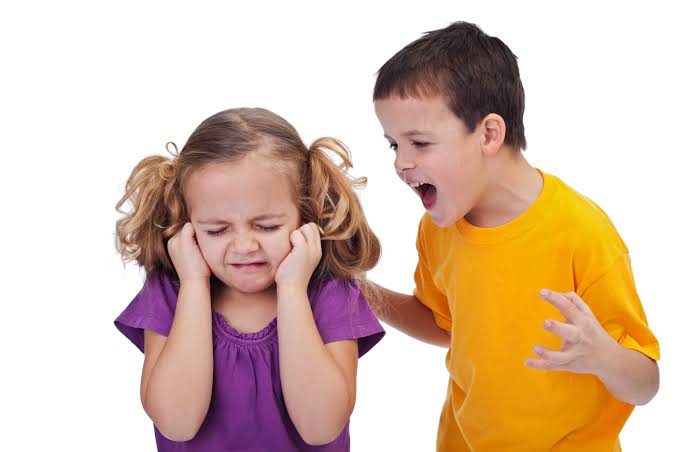
Jakarta, ThedailyID — Teasing is a common part of children’s social lives. However, not every joke is harmless. Some comments can hurt, embarrass, or make children lose confidence.
Children also respond to teasing in different ways. Their reactions can depend on personality, confidence, and previous experiences.


Parents can help children understand that other people’s words do not always define who they are. Here are five ways to teach children to handle teasing.
1. Teach children to understand the intention behind teasing
Not every teasing comment has the same intention. Some children may simply be joking, seeking attention, trying to make friends, or hiding their own insecurity.
Parents can ask, “What do you think they actually wanted?” or “Were they joking, or were they trying to make you sad?”
Children can also learn to recognize healthy humor. In positive jokes, everyone can usually laugh and feel comfortable. If only one person becomes the target and feels pressured, angry, or withdrawn, the teasing may have crossed a line.
2. Teach children to respond with confidence
Children need to understand that someone’s words do not automatically become the truth about them. They do not need to respond by insulting the other person.
Parents can practice simple responses with them. For example, children can say, “Oh, that’s what you think,” and then walk away.
They can also say, “I don’t like it when you say that.” A calm and firm response can reduce the attention that the person wants from an emotional reaction.
3. Help children recognize what triggers their emotions
Every child has certain things that make them more sensitive. These may include appearance, academic ability, the way they speak, body shape, or feeling excluded from a group.
Parents can help children identify what actually hurts when someone teases them. They can then help children look at the situation from another perspective.
Parents might ask, “Does what your friend said really describe you?” or “Could they simply have been trying to joke?” Recognizing these triggers can help children control their reactions.
4. Avoid a culture of teasing and sarcasm at home
Family communication can influence how children understand teasing. Constant jokes about someone’s weaknesses or sarcastic comments can make hurtful behavior seem normal.
Parents should help children distinguish between joking and putting someone down. If a joke makes someone feel worthless or embarrassed, it may be time to stop.
Children also need to understand that saying “I was just joking” does not erase the impact of hurtful words.
5. Build positive experiences with humor as a family
Teasing does not always have to be viewed negatively. In a close and safe relationship, light humor can help build stronger connections.
Parents can create an environment where everyone laughs together without making one person the target. Families can laugh about small mistakes or share funny experiences.
This helps children understand the difference between enjoyable humor and hurtful teasing.
Ultimately, teaching children to deal with teasing is not just about teaching them what to say back. It is also about building a strong sense of identity so they do not define themselves through other people’s words.