

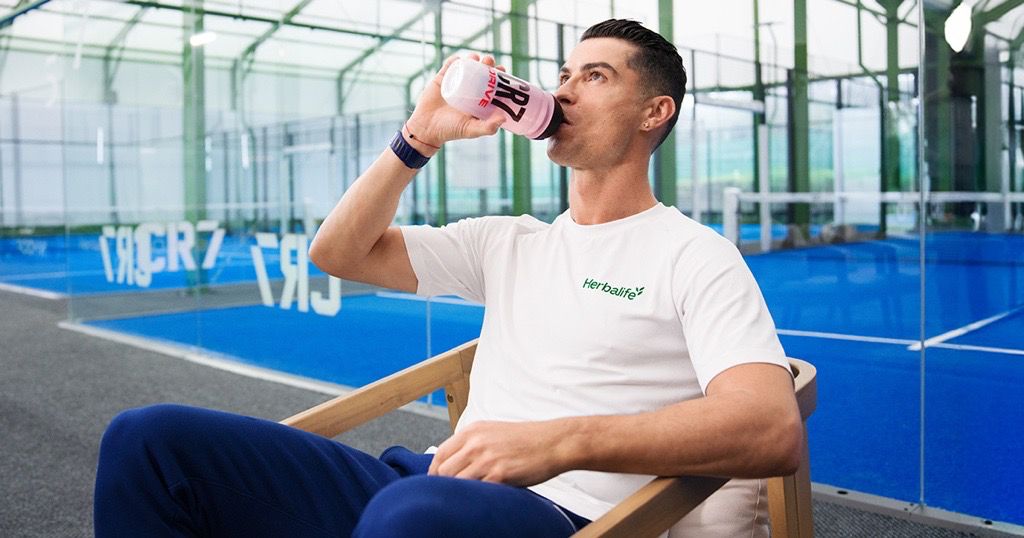
Jakarta, ThedailyID — Recovery begins the moment the final whistle blows. While pre-game nutrition often receives the most attention, sports nutrition experts say the first hour after training or competition plays an equally important role in athletic performance.
Dr. Krissy Ladner, Director of Sports Performance and Nutrition Education at Herbalife, said post-exercise nutrition helps the body repair damaged muscles, restore energy stores, and prepare for the next training session.

“As a sports nutritionist working with professional football players, I spend just as much—if not more—time discussing recovery nutrition than pre-game nutrition. I use one simple framework that athletes at every level can remember: the 4R,” she said.
The framework consists of Replenish, Repair, Reinforce, Rehydrate, and Rest, covering the essential steps athletes should follow immediately after exercise.
The first step, Replenish, focuses on restoring muscle glycogen, the body’s primary fuel source during high-intensity activity. According to Dr. Ladner, athletes should consume between 30 and 60 grams of carbohydrates within the first hour after training.
Suitable recovery meals include rice with lean protein, a whole-grain turkey sandwich, or a smoothie made with fruit and oats.
The second step, Repair, supports muscle recovery by providing high-quality protein. Dr. Ladner recommends consuming 15 to 30 grams of protein from sources such as chicken, fish, eggs, dairy products, or protein shakes.
For elite athletes, she suggests a recovery meal with a carbohydrate-to-protein ratio of 3:1, equivalent to approximately 60–120 grams of carbohydrates and 20–40 grams of protein.
The third step, Reinforce, strengthens the body’s long-term recovery by supporting muscle cells, the immune system, and the nervous system through nutrient-rich whole foods.
Dr. Ladner recommends colorful fruits and vegetables, whole grains, nuts, fish, and olive oil as part of an anti-inflammatory diet. She also highlighted tart cherry juice and curcumin, the active compound in turmeric, which research suggests may help reduce muscle soreness, support recovery, and improve sleep quality.
However, she emphasized that these ingredients are not miracle solutions. Instead, they work best when included as part of a consistent and balanced nutrition plan.
The fourth step, Rehydrate, goes beyond simply drinking water. Intense exercise causes the body to lose electrolytes, including sodium, potassium, and magnesium, through sweat.
While water may be sufficient after light exercise, athletes who sweat heavily should replace electrolytes through food or recovery drinks. Dr. Ladner added that urine color provides a simple hydration check, with pale yellow indicating adequate hydration.
The final step, Rest, allows the body to complete the recovery process. During sleep, the body releases growth hormones that help rebuild muscle tissue, reduce injury risk, and improve long-term performance.
Dr. Ladner stressed that the 4R framework is not exclusive to elite athletes.
“If your workout truly challenged you, the same principles apply. The amounts may differ depending on your body size and activity level, but the process remains the same: replenish, repair, reinforce, rehydrate, and then rest. The game may end with the final whistle, but your recovery has only just begun,” she said.