

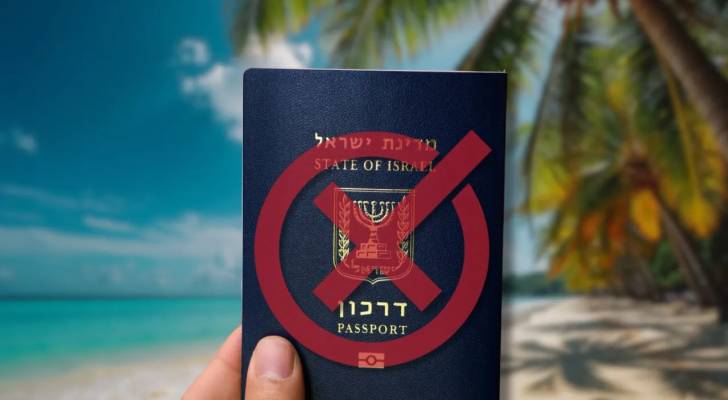
Jakarta, ThedailyID — A passport may determine how easily someone can cross an international border, but geopolitics can change that equation dramatically. Several countries restrict or deny entry to travelers carrying Israeli passports.
Countries commonly listed as refusing Israeli passport holders include Algeria, Bangladesh, Brunei, Iran, Iraq, Kuwait, Lebanon, Libya, Syria and Yemen. Some countries impose conditional restrictions rather than outright bans. Malaysia, for example, can allow entry with special clearance, while Pakistan requires specific visa and registration procedures.


The Maldives introduced a formal prohibition in April 2025. Its government amended the Immigration Act to prohibit entry to people holding Israeli passports. The Maldives Immigration Department confirms that the restriction remains in effect.
These policies do not all have the same legal basis. Some stem from countries that do not recognize Israel, while others reflect diplomatic tensions and political decisions.
Travel restrictions can also extend beyond passport nationality. Some countries may deny entry to foreign travelers whose passports contain evidence of previous travel to Israel, including Israeli visas or certain border stamps.
The result is a striking example of how passport access is not determined by nationality alone. Diplomatic relations, security concerns and political disputes can all influence whether a traveler is welcomed at a border.
For Israeli passport holders, that can mean a destination that appears open on a map may still be inaccessible without special permission.