

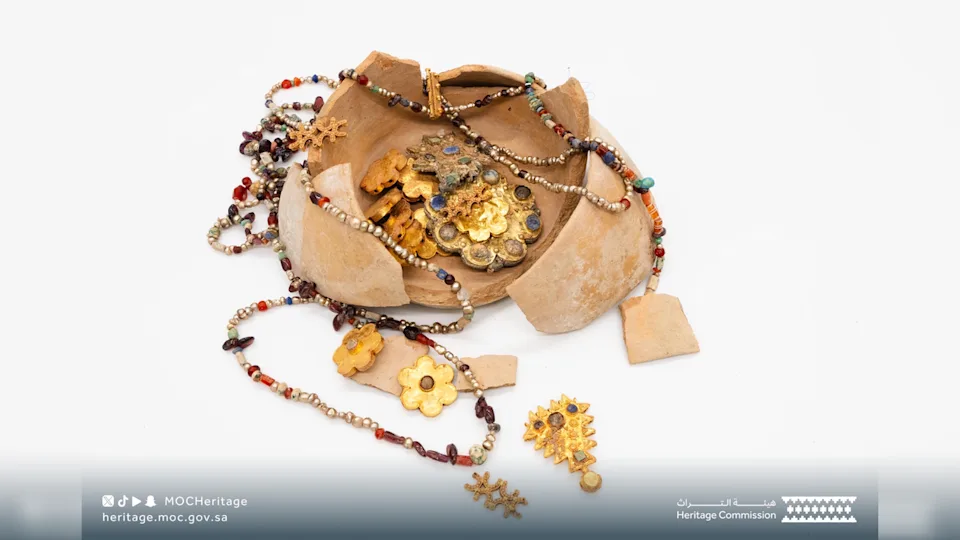
Jakarta, ThedailyID — Archaeologists have discovered a collection of gold artifacts believed to be around 1,200 years old along a historic Hajj route in Saudi Arabia.
The discovery took place at an archaeological site connected to one of the ancient pilgrimage roads used by Muslim travelers journeying to Mecca centuries ago.


Researchers uncovered a cache of gold pieces, including jewelry and decorative items, during excavation work in the region. Experts believe the artifacts date back to the early Islamic period.
The finding offers new insight into the economic and cultural importance of historic Hajj routes. These roads served not only as pilgrimage corridors but also as major trade networks connecting different parts of the Islamic world.
Archaeologists said the gold artifacts were remarkably well preserved despite spending more than a millennium underground.
Moreover, the discovery highlights the wealth and commercial activity that once flourished along pilgrimage routes across the Arabian Peninsula.
Saudi Arabia has invested heavily in archaeological research in recent years. Authorities continue to uncover sites that reveal new details about the region’s ancient history and its role in early Islamic civilization.
Researchers are now studying the artifacts to determine their exact origin, purpose, and historical significance. The findings may help scholars better understand daily life, trade, and travel during the early centuries of Islam.
The discovery also underscores the historical importance of the Hajj journey, which has connected communities across continents for more than a thousand years.
As archaeological work continues, experts expect additional discoveries could emerge from the same region, offering a deeper look into the rich heritage of the Islamic world.