Jakarta, ThedailyID — Infections caused by certain bacteria and viruses contributed to around 2.3 million new cancer cases worldwide in 2024. That represents approximately 12% of all new cancer cases globally, according to a study published in The Lancet Oncology.
Researchers from the International Agency for Research on Cancer (IARC), a specialized cancer agency of the World Health Organization (WHO), analyzed global cancer data to estimate how many cases were linked to infections.


The study examined 12 infections known to cause cancer in humans, including Helicobacter pylori (H. pylori), human papillomavirus (HPV), hepatitis B, hepatitis C, Epstein-Barr virus, and HIV. Researchers identified 37 links between specific infections and cancer types.
H. pylori ranked among the leading contributors, accounting for an estimated 760,000 cancer cases. The bacterium can cause chronic inflammation in the stomach lining and increase the risk of stomach cancer over time. Researchers estimated that H. pylori was linked to 85% of cases of the most common type of stomach cancer.
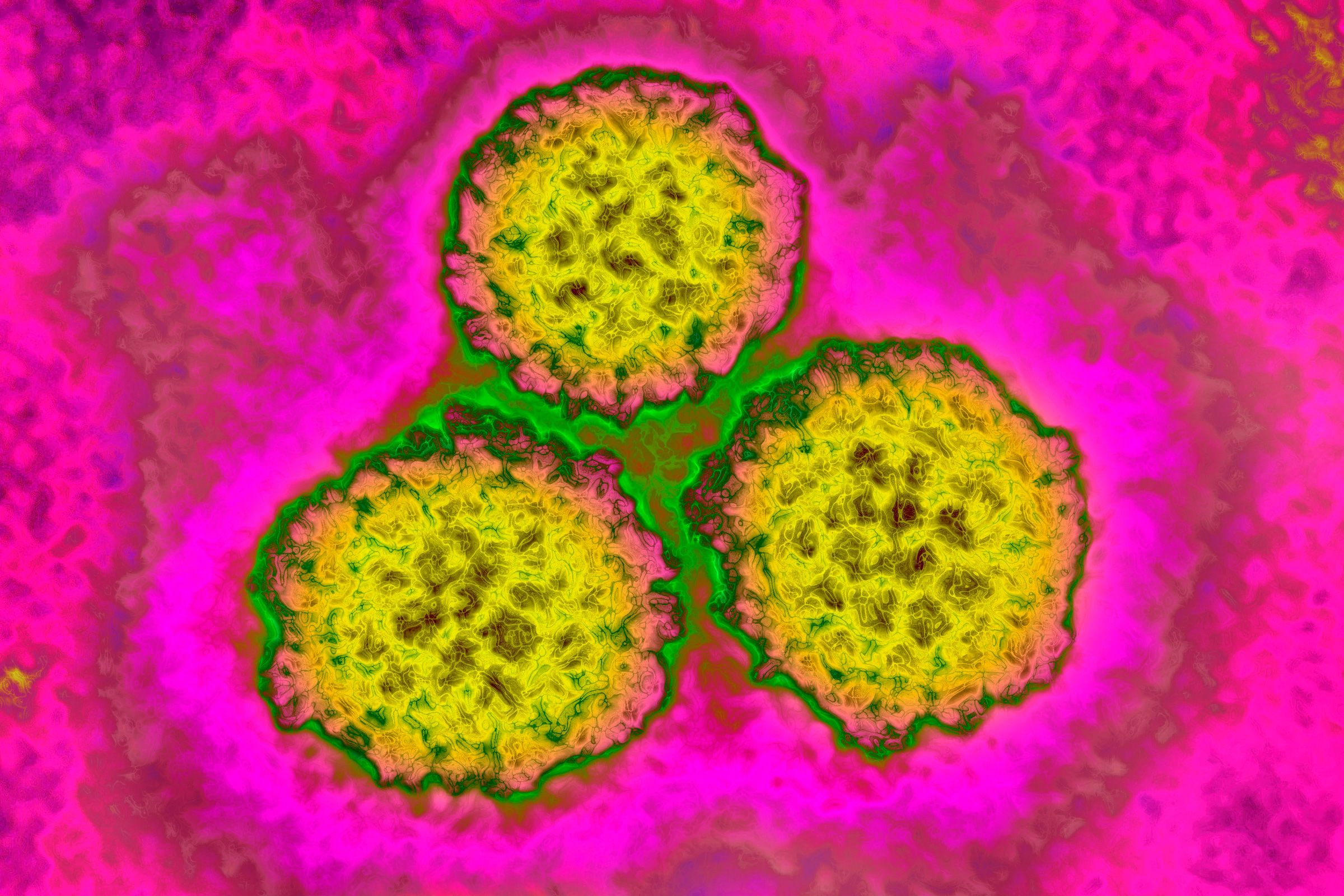
HPV accounted for approximately 750,000 cancer cases in the analysis. The virus spreads mainly through sexual contact and causes nearly all cases of cervical cancer, which accounted for an estimated 600,000 cases in the study.
HPV can also cause cancers of the throat, anus, and penis. Two strains, HPV 16 and HPV 18, account for nearly three-quarters of cervical cancer cases worldwide.
Hepatitis viruses also contributed substantially to the global burden. Researchers linked hepatitis B to around 360,000 cancer cases and hepatitis C to approximately 160,000 cases. Both infections primarily increase the risk of liver cancer.
Meanwhile, Epstein-Barr virus was associated with approximately 260,000 cancer cases. Researchers also included HIV in a global estimate of infection-related cancer for the first time. HIV weakens the immune system, increasing vulnerability to cancers associated with other infections.
The burden varies considerably across regions. East Asia accounted for approximately 42% of infection-related cancer cases worldwide, while low- and middle-income countries represented around 77% of the total.
However, the researchers noted limitations in the available data. Only about 19% of the world’s population was covered by high-quality cancer registries, meaning the estimates may not fully reflect the actual global burden.
Several preventive measures can reduce the risk of infection-related cancers. HPV vaccination can protect against cancer-causing strains, while cervical screening through HPV testing or Pap smears can detect high-risk infections and precancerous cell changes.
Vaccination can also prevent hepatitis B. Although no vaccine is currently available for hepatitis C, appropriate treatment can cure the infection.
Doctors can also diagnose H. pylori through testing and treat it with medication, typically a combination of antibiotics and acid-reducing drugs. People with persistent stomach symptoms or other risk factors can consult healthcare professionals about whether testing is appropriate.
The findings highlight the role of vaccination, screening, and timely treatment in cancer prevention. Although not all cancers are preventable, addressing infections that contribute to cancer could help reduce the number of cases worldwide.