

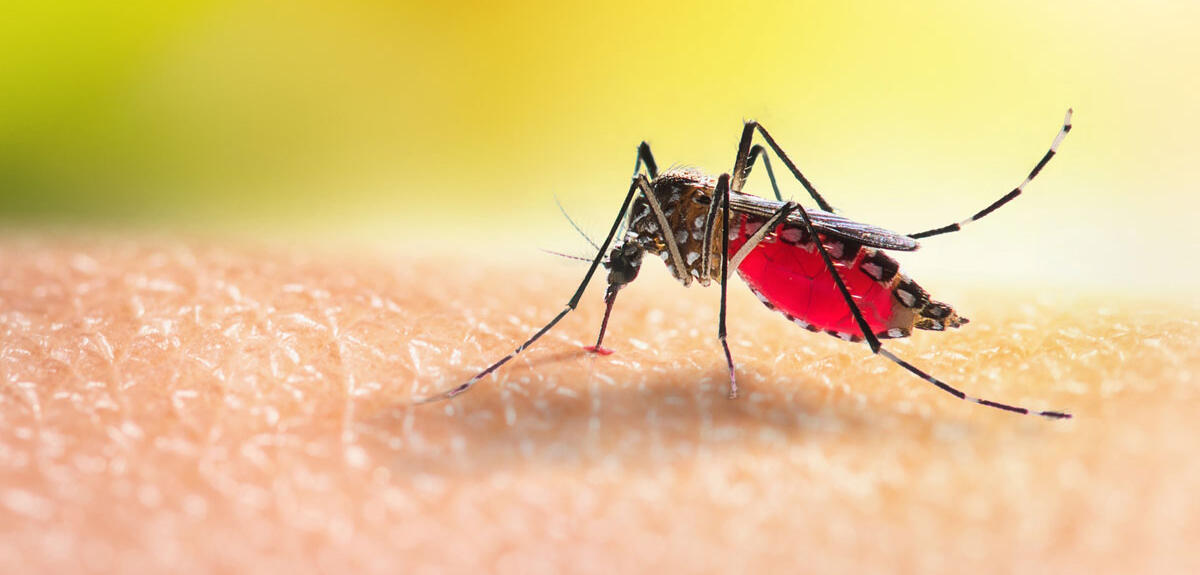
Jakarta, ThedailyID — Many people assume mosquitoes become less active during the dry season because there is less rain. However, experts say mosquitoes can remain abundant and may even appear more aggressive during hotter months.
Mosquitoes lay their eggs in standing water or clean water containers. While the rainy season creates more breeding sites, several dry-season conditions also help mosquito populations grow.


Stable Water Creates Ideal Breeding Grounds
Standing water becomes more stable during the dry season. Unlike heavy rainfall, calm water does not wash mosquito eggs away, allowing them to hatch more easily.
Health experts recommend checking homes and nearby areas for stagnant water throughout the year. Removing puddles and covering water storage containers can significantly reduce mosquito breeding.
Heat Speeds Up Mosquito Development
Warm temperatures help mosquitoes develop faster. Under normal conditions, mosquito larvae need around 12 to 14 days to reach adulthood. During the dry season, they can mature in as little as nine days.
As temperatures rise, mosquito populations can increase more quickly, especially when breeding sites remain undisturbed.
Hot Weather Makes Mosquitoes Bite More Often
High temperatures may also make mosquitoes seem more aggressive. The heat often produces smaller mosquitoes that require blood meals more frequently than larger ones.
Studies suggest mosquito biting activity can increase by up to 2.5 times when temperatures exceed 30 degrees Celsius.
Uneven Rainfall Creates New Breeding Sites
The dry season does not always mean completely dry weather. Occasional rainfall can leave behind fresh pools of standing water that remain for several days.
The combination of stagnant water, warm temperatures, and sunlight creates ideal breeding conditions. However, Aedes aegypti, the mosquito species that spreads dengue fever, usually prefers shaded areas with limited direct sunlight.
Preventing mosquito breeding remains important throughout the year, not only during the rainy season. Regularly eliminating standing water is one of the simplest and most effective ways to reduce mosquito populations.