

Jakarta, ThedailyID — A proposed ban on Chinese open-weight artificial intelligence (AI) models could cost US businesses between US$3 billion and US$12 billion a year, according to a new analysis.
The estimate comes from Daniel Yue, an assistant professor at the Scheller College of Business, Georgia Institute of Technology. He based the analysis on usage data from OpenRouter, a platform that allows developers to switch between multiple large language models through a single API.


Yue estimates OpenRouter users would face about US$2 billion in additional annual costs if they had to replace Chinese open-weight AI models with leading proprietary alternatives. He based the calculation on token usage and pricing data collected between July 21 and July 27.
Across the broader US economy, the added cost could reach US$3 billion to US$12 billion annually. The final amount depends on how heavily businesses rely on Chinese open-weight AI models. However, Yue stressed that the figures are only broad estimates. AI usage outside centralized platforms remains difficult to measure, while OpenRouter represents only a small share of the global large language model market.
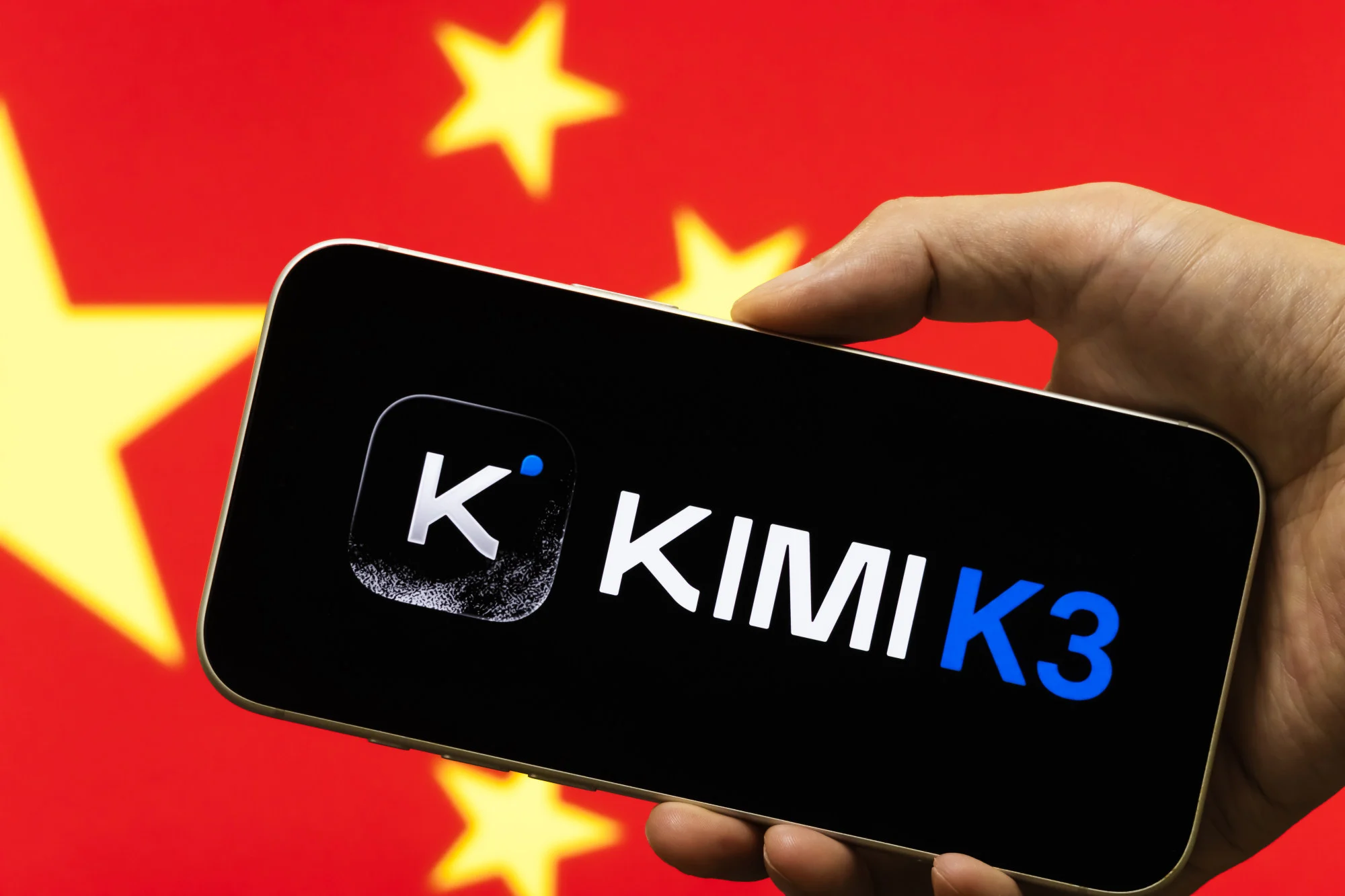
Concerns in Washington have grown since Chinese startup Moonshot AI launched Kimi K3 in late July. Benchmark tests suggest the model performs close to leading proprietary systems from Anthropic and OpenAI. As a result, the Donald Trump administration has renewed discussions about restricting foreign open-weight AI models.
US officials have also accused Moonshot AI of violating American intellectual property rights. However, several major US technology companies oppose a blanket ban. According to reports, Nvidia, Palantir, and Meta Platforms signed an open letter urging the government not to impose broad restrictions. The companies warned that early regulation could weaken competition and push AI innovation overseas.
Yue added that the broader economic impact remains uncertain. Companies may switch to paid closed-source AI models. Others may reduce AI adoption altogether. Jaya Gupta, a partner at venture capital firm Foundation Capital, believes the second scenario is possible.
In an essay titled AI’s 2008 Moment, Gupta argued that many critical US industries depend on open-weight AI models to run systems locally. He warned that a sweeping ban could sharply reduce AI demand. Such a decline could also pressure the AI infrastructure market, where many data centers rely on debt financing backed by expectations of future growth.