

Jakarta, ThedailyID — Nintendo will stop selling its first-generation Switch hardware to retailers across Europe starting in mid-February 2027. The move follows new European Union rules requiring user-replaceable batteries in electronic devices.
The decision covers the original Nintendo Switch, Nintendo Switch Lite, and Nintendo Switch OLED Model.


In a support notice published on Wednesday, Nintendo also confirmed it will stop selling the three models through the Nintendo Store in Europe.
However, the company said it will continue producing the consoles throughout 2026. Retailers are also expected to have sufficient stock until the end of the year.
Nintendo made the decision to comply with new EU battery regulations that take effect in February 2027.
Instead of redesigning the original Switch with a user-replaceable battery, the company chose to discontinue the product line in Europe.
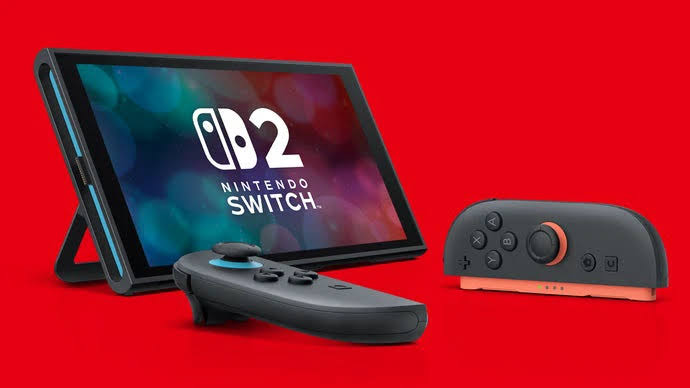
Meanwhile, Nintendo will update the batteries in selected Nintendo Switch 2 devices and accessories to meet the new requirements.
The rollout will begin in summer 2026. Additional revised products will arrive in autumn, winter, and early 2027.
Nintendo said the updated products will offer the same functionality as the current versions.
The revised Nintendo Switch 2 will launch in autumn 2026. Its battery capacity will decrease slightly to 5,172 mAh from 5,220 mAh. The console will also weigh about 10 grams more, reaching roughly 411 grams.
The Nintendo Switch 2 Pro Controller will also receive an update in winter 2026. Its battery capacity will drop to 897 mAh from 1,070 mAh.
Nintendo will also revise several accessories, including the Joy-Con 2, Nintendo 64 controller, and GameCube controller for Switch 2. The company plans to release battery replacement kits for those products through the Nintendo Store in Europe.
However, retro accessories such as the NES Controller and SNES Controller for Nintendo Switch will not receive redesigned batteries. Nintendo will also stop selling those products after mid-February 2027.
The policy applies across Nintendo of Europe’s markets, including countries in Europe as well as selected territories in the Middle East and Africa.
Nintendo stressed that the hardware changes will not affect existing game libraries. In addition, services such as Nintendo eShop and Nintendo Switch Online will remain available, allowing current Switch owners to continue accessing their games and online features.