
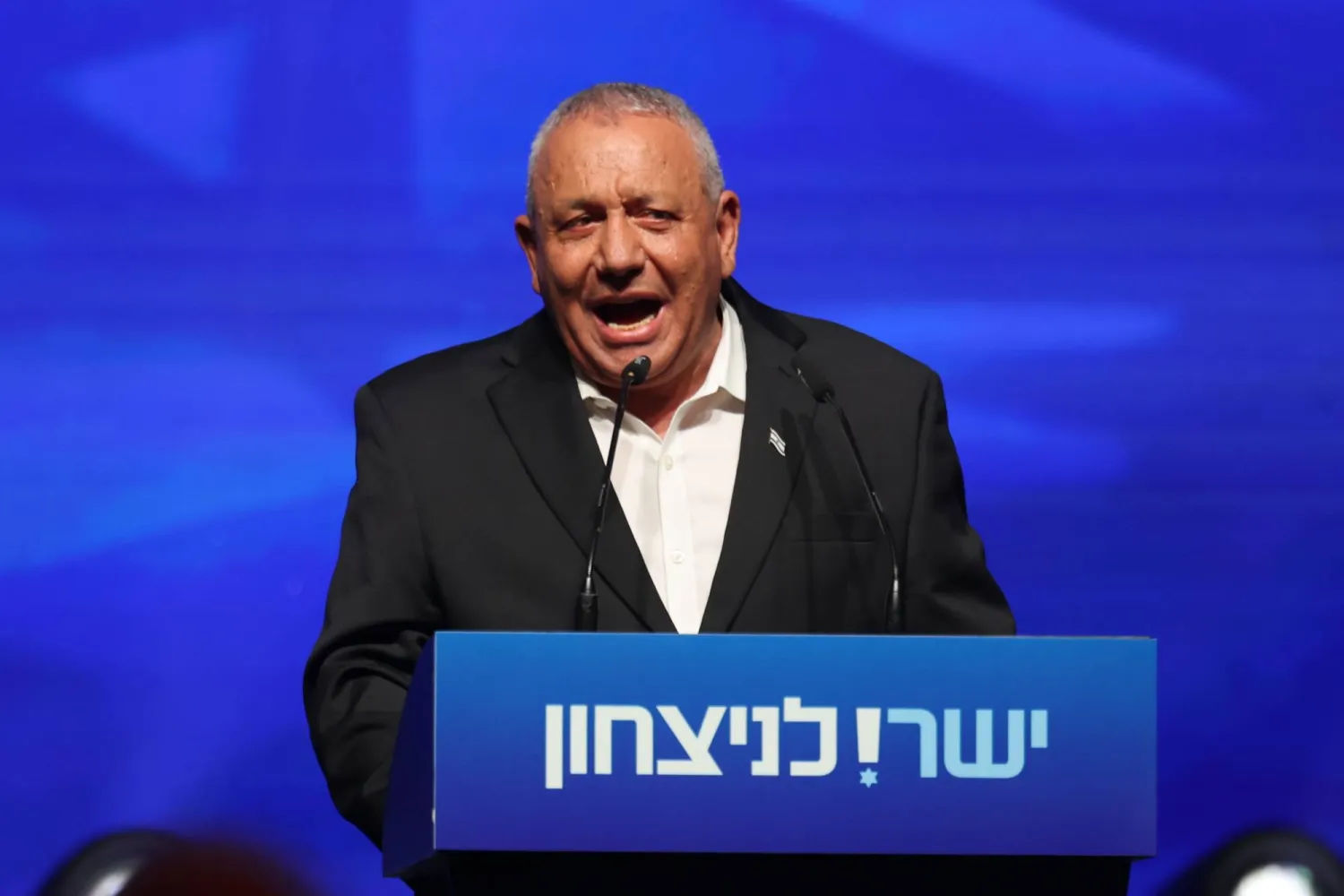
Jakarta, ThedailyID — Gadi Eisenkot, a former chief of staff of the Israel Defense Forces (IDF), has emerged as a prominent political challenger to Prime Minister Benjamin Netanyahu in Israel’s parliamentary election on Tuesday, October 27, 2026.
Eisenkot leads the Yashar Party. Exit polls from several Israeli television channels initially showed his political bloc narrowly ahead of Netanyahu’s bloc. However, Israel’s parliamentary system means voters elect political parties rather than directly choosing a prime minister. A coalition needs at least 61 seats to form a government.

Born to Moroccan immigrant parents, Eisenkot grew up in Tiberias and Eilat. His background contrasts with Netanyahu’s family roots in Jerusalem and long-standing presence in Israel’s political establishment.
Eisenkot spent most of his career in the military. He joined the Golani Brigade in 1978 and served as IDF chief of staff from 2015 to 2019, during Netanyahu’s tenure as prime minister.
He entered politics in 2022 alongside former military chief Benny Gantz. Following Hamas’ October 7, 2023, attack on Israel, both men joined Netanyahu’s wartime cabinet. They left in June 2024, citing the absence of a clear postwar strategy.
The conflict also brought personal tragedy to Eisenkot’s family. His youngest son was killed in Gaza in December 2023, while two of his nephews also died in combat.
In an April 2026 article published by Israeli newspaper Yedioth Ahronoth, Eisenkot reflected on his son’s death and the sacrifices made by Israeli soldiers.
“Over Gal’s grave, I swear that the price he paid, himself and his friends, those he knew and those he did not know, will not be in vain,” he wrote.
Eisenkot has described that commitment as central to his political mission. His campaign focuses on domestic affairs and accountability, including a pledge to establish an inquiry commission into the failures surrounding the October 7 attack. Netanyahu has opposed such an inquiry since the war began.
Eisenkot has also called for mandatory military service for all Israeli citizens, challenging the exemptions granted to ultra-Orthodox Jewish communities under Netanyahu’s government.
Despite their differences, the two politicians share several positions on security. Eisenkot has supported Israeli military operations in Gaza, Lebanon, and Iran, and opposes Palestinian independence.
His political platform therefore combines calls for domestic accountability with support for Israel’s military operations and existing security policies.