

Jakarta, ThedailyID — Cow’s milk allergy can cause a wide range of symptoms in children, making it important for parents to recognize the signs early and seek proper medical advice.
Health experts say the condition occurs when a child’s immune system reacts to proteins found in cow’s milk. As a result, symptoms can appear in different parts of the body and vary from one child to another.


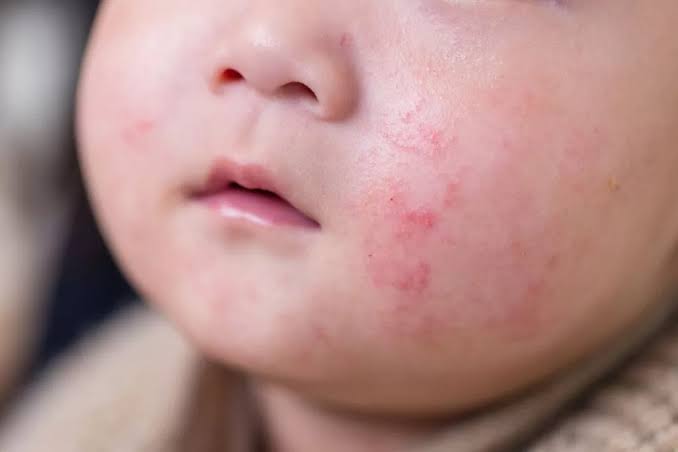
1. Skin Reactions
Skin problems often rank among the most common symptoms. Children may develop rashes, eczema, redness, itching, or hives after consuming milk or dairy products.
In some cases, symptoms appear within minutes. However, other reactions may develop several hours later.
2. Digestive Problems
Cow’s milk allergy can also affect the digestive system. Children may experience vomiting, diarrhea, stomach pain, bloating, or excessive gas.
Consequently, some children may become fussy or uncomfortable after feeding.
3. Respiratory Symptoms
Some children develop respiratory issues linked to cow’s milk allergy. These symptoms may include coughing, wheezing, nasal congestion, or a runny nose.
Although less common, severe allergic reactions can also interfere with breathing and require immediate medical attention.
4. Growth and Nutrition Concerns
Persistent symptoms may affect a child’s appetite and nutrient intake. Therefore, some children with untreated cow’s milk allergy may experience slower weight gain or growth challenges.
Parents should monitor their child’s development and consult healthcare professionals if concerns arise.
5. Symptoms Can Differ Between Children
Experts emphasize that no two children experience cow’s milk allergy in exactly the same way. While some show mild symptoms, others may develop more serious reactions.
Furthermore, symptoms can change over time, which sometimes makes diagnosis more difficult.
Doctors recommend seeking medical evaluation if parents suspect a milk allergy. Early diagnosis can help prevent complications and ensure children receive appropriate nutrition and treatment.
With proper management, many children can live healthy lives while avoiding triggers that cause allergic reactions.