
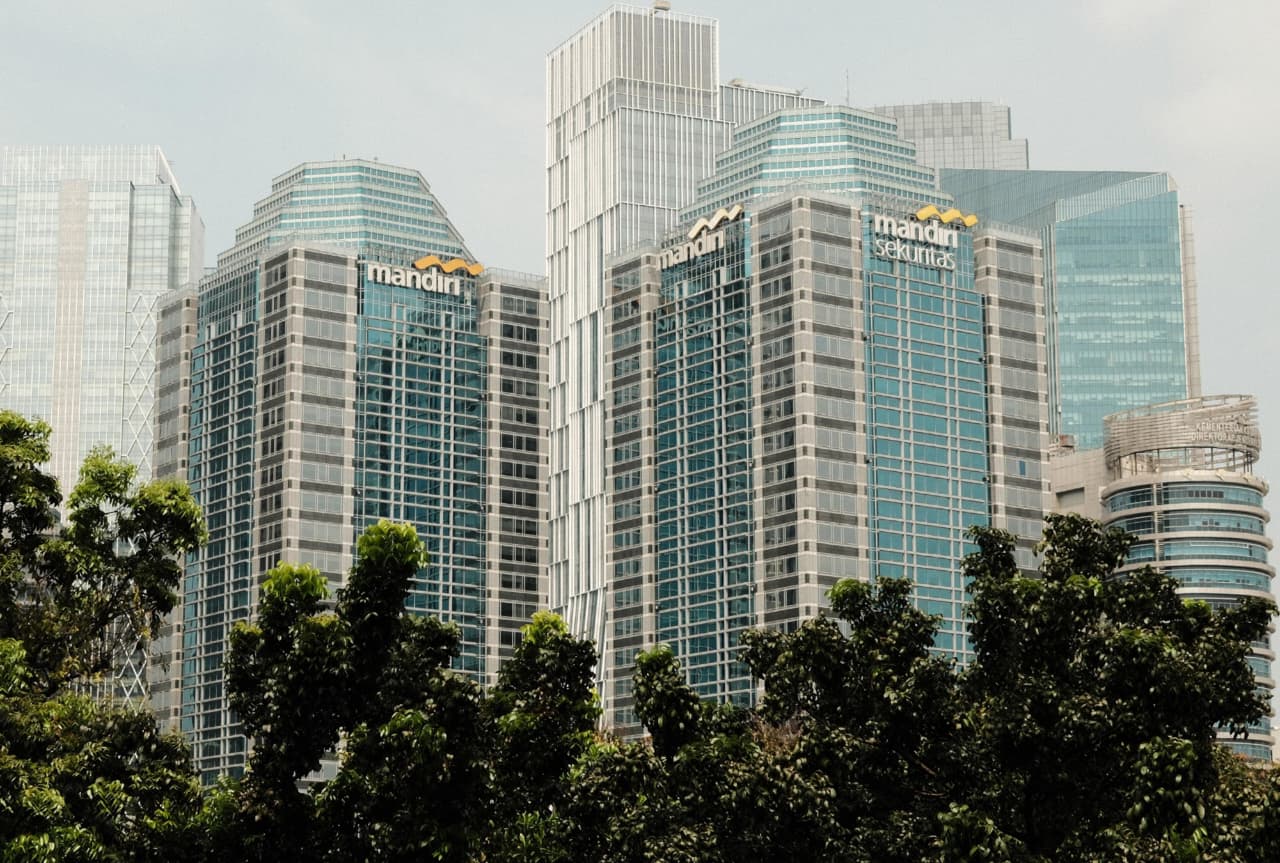
Jakarta, ThedailyID — Bank Mandiri issued a $750 million global bond with a five-year tenor and a 5.25% coupon on March 31, 2026. The offering drew strong demand and was oversubscribed 3.3 times.
The issuance marked a key milestone. Bank Mandiri became the first issuer from Southeast Asia to return to the global bond market after rising geopolitical tensions in the Middle East in late February 2026.


The deal also strengthened the bank’s global funding access while maintaining flexibility in its funding structure.
Despite earlier pressure in US trading sessions, Bank Mandiri waited for more stable market conditions during the Asian opening. The bank also used an intraday execution strategy to manage risk and capture positive market momentum.
This approach ensured stable execution and attracted strong investor interest. It also reflected the bank’s track record as an active global issuer and its solid relationships with investors.
Treasury & International Banking Director Ari Rizaldi said the strong demand shows global confidence in the bank’s fundamentals and financial performance.
“This transaction shows that international investors remain confident in Indonesia’s fundamentals and Bank Mandiri, despite global macroeconomic and geopolitical challenges,” he said on April 2, 2026.
He added that the bank will use the proceeds for general corporate purposes and to support business growth.
S&P Global Ratings and Fitch Ratings gave the bond a BBB rating. The company listed the bond on the Singapore Exchange.
Investor distribution showed strong diversification. Fund and asset managers accounted for 85%, followed by banks at 8%. Government institutions and sovereign wealth funds took 3%, while insurance firms held 3% and private banks 1%.
By region, investors came from Asia (69%), EMEA (26%), and US offshore markets (5%).
The transaction further reinforced Bank Mandiri’s position in global markets. It also highlighted its disciplined funding strategy and strong investor trust.
DBS Bank, HSBC, J.P. Morgan, Mandiri Sekuritas, and Standard Chartered supported the transaction as joint bookrunners and lead managers.