

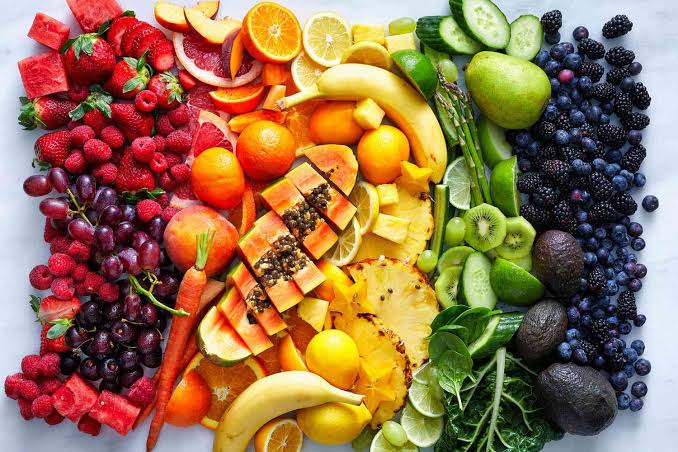
Jakarta, ThedailyID — Fruit contains natural sugars, which may make some people with diabetes cautious about eating it. However, fruit can still be part of a balanced diet when people manage their choices and portions.
Fruit also provides fiber, vitamins, minerals, and other essential nutrients. Therefore, people with diabetes do not need to avoid all fruit. Instead, they should account for its carbohydrate content.


The American Diabetes Association (ADA) explains that fruit contains carbohydrates and should count toward a person’s meal plan. Fresh, frozen, and canned fruit without added sugar can all be suitable options.
Here are seven fruits that people with diabetes can include in their diet.
1. Apples
Apples provide fiber and make a convenient snack. Choose whole apples instead of juice to retain their natural fiber.
Also, consider the fruit’s size and adjust the portion to your daily carbohydrate needs.
2. Strawberries
Strawberries contain fiber, vitamins, and antioxidants. You can eat them fresh or mix them with plain, unsweetened yogurt.
However, avoid adding syrup or sweetened condensed milk.
3. Oranges
Oranges provide vitamin C and fiber. Eating the whole fruit is generally preferable to drinking orange juice.
Juicing removes some fiber and can make it easier to consume larger portions.
4. Pears
Pears contain water and fiber. Wash them thoroughly and eat them with the skin when possible.
However, remember that pears also contain carbohydrates, so portion control remains important.
5. Cherries
Fresh cherries can add variety to a daily meal plan. Choose products without added sugar, especially when buying frozen or canned cherries.
Always check the product label before purchasing.
6. Avocados
Avocados contain fiber and unsaturated fats. People with diabetes can enjoy them without sweeteners or use them as a meal accompaniment.
Avoid adding sugar, syrup, or sweetened condensed milk.
7. Peaches
Peaches provide fiber and work well as a fresh snack. If you choose canned peaches, look for products packed in water or their own juice without added sugar.
How to Manage Fruit Portions
Choosing suitable fruit is only part of managing blood sugar. The amount people eat also matters.
According to the ADA, one small piece of whole fruit or about half a cup of frozen or canned fruit generally contains around 15 grams of carbohydrates.
However, carbohydrate levels vary depending on the fruit type and size. These practical steps can help people manage their intake:
- Choose whole fruit instead of juice.
- Buy canned fruit without added sugar.
- Limit dried fruit because its carbohydrates become concentrated in smaller portions.
- Count fruit as part of your total daily carbohydrate intake.
- Follow portion recommendations from your doctor or dietitian.
People with diabetes do not need to eliminate fruit from their diets. Apples, strawberries, oranges, pears, cherries, avocados, and peaches can all provide variety and nutrients.
The key is to choose whole fruit, avoid added sugars, and manage carbohydrate portions. This approach can help make fruit part of a balanced eating plan.
People who follow a specific meal plan or take diabetes medication should consult a doctor or dietitian. They can recommend suitable fruit portions based on individual needs.