



Jakarta, ThedailyID — Schools can reject or stop distributing Free Nutritious Meals (MBG) if the food does not meet safety requirements, according to the National Nutrition Agency (BGN).
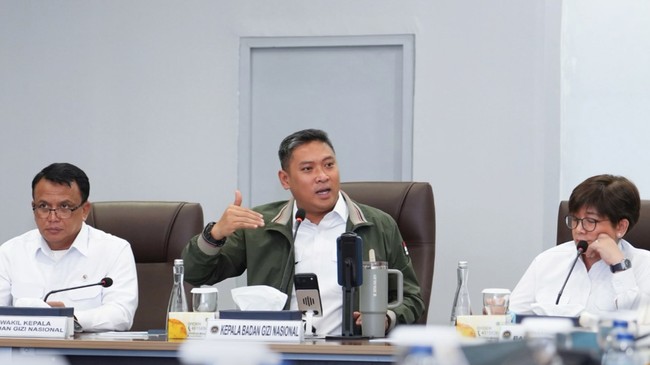
BGN Chief Sudaryono said schools should refuse meals if individual food containers lack the required labels. He made the statement during a nutrition literacy webinar for school principals on Tuesday, September 15.
“If the meals arrive at school without labels on each food container, I ask schools not to distribute them and to reject them,” Sudaryono said, Wednesday, September 16, 2026.
Schools can also stop MBG consumption if the food smells unusual or appears unsafe. Other factors include possible spoilage and meals that arrive outside the designated time limits.
“If it smells bad, if there is a possibility that it has gone bad, if the food container has a label, or if the time has exceeded the limits, then if it is considered unsafe, teachers should stop it. It must not be eaten,” he said.
Sudaryono also said schools can warn the Nutrition Fulfillment Service Unit (SPPG) responsible for preparing the meals.
If the SPPG does not address the problem after receiving a warning, schools can reject the meals.
“If the label is incorrect, please warn them. If it is not fixed after the warning, reject it. Reject MBG meals or kitchens that operate carelessly,” Sudaryono said.
He also urged school principals to take a firm approach when safety requirements are not met. According to Sudaryono, this can help prevent schools from being blamed if problems occur after students consume the meals.
“We want firmness from school principals. If not all food containers in the MBG service have time labels and other required labels, reject them. Do not let something happen later and then blame the school principals,” he said.
The BGN has therefore placed responsibility on schools to check the condition and labeling of MBG meals before distribution.