

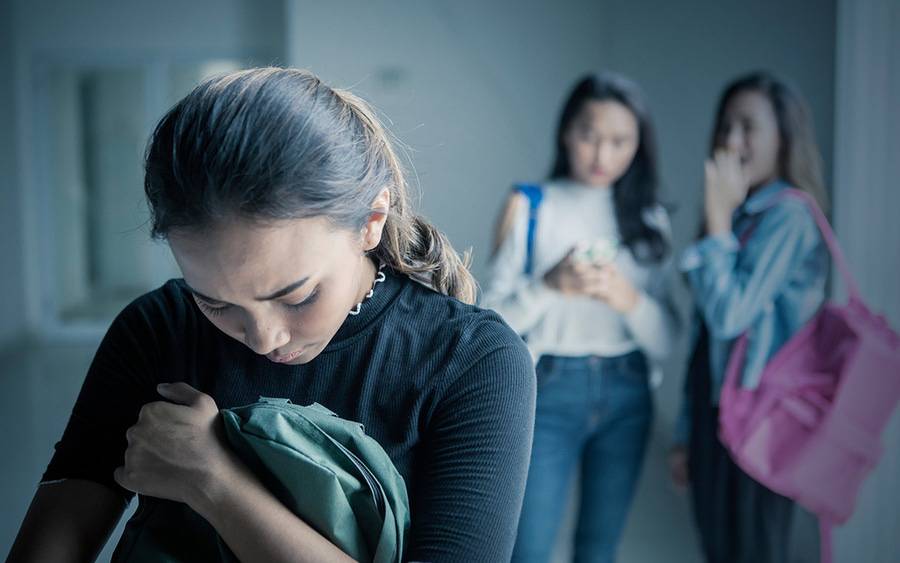
Jakarta, ThedailyID — As children grow older, they naturally expand their social circles and build friendships outside the home. These relationships play a vital role in developing communication skills, confidence, and emotional intelligence.
However, wider social interactions also expose children to peer pressure. Friends may encourage behaviors that conflict with family values, such as skipping school, lying to parents, or engaging in other risky activities.


For many children, refusing a friend’s request can feel intimidating. They may fear being excluded, judged, or losing their place within a social group. Because of this, experts say parents should help children develop the confidence to say “no” when necessary.
According to guidance from the Cook Center, teaching children to resist unhealthy peer pressure starts with building trust, confidence, and clear personal values.
1. Set Clear Boundaries
Children need to understand which behaviors are acceptable and which are not. Clear rules provide a strong foundation when they face difficult choices outside the home.
Parents should involve children in creating household rules, explain why those rules matter, and apply them consistently while considering the child’s age and maturity.
2. Lead by Example
Children often learn more from watching their parents than from listening to instructions.
Parents can demonstrate how to handle social pressure, make responsible decisions, and admit mistakes when necessary. Sharing personal experiences also shows children that everyone faces difficult choices and can learn from them.
3. Help Children Identify Their Values
Parents should encourage conversations about honesty, kindness, respect, and responsibility. Understanding these values helps children build confidence in their own decisions.
When children know what matters most to them, they are more likely to reject actions that conflict with their beliefs.
4. Encourage Critical Thinking
Rather than reacting impulsively, children should learn to think about the consequences of their choices.
Parents can ask simple questions such as, “What might happen if you do that?” or “Does that decision match your values?” These discussions help children evaluate situations before acting.
5. Keep Communication Open
Open communication creates a safe environment where children feel comfortable discussing their daily experiences, including difficult situations with friends.
Parents should listen without immediately criticizing or judging. When children feel supported, they are more likely to seek advice before making important decisions.
Experts say helping children resist negative peer pressure requires patience and consistency. Over time, these skills can strengthen their independence, confidence, and ability to make thoughtful decisions throughout life.