

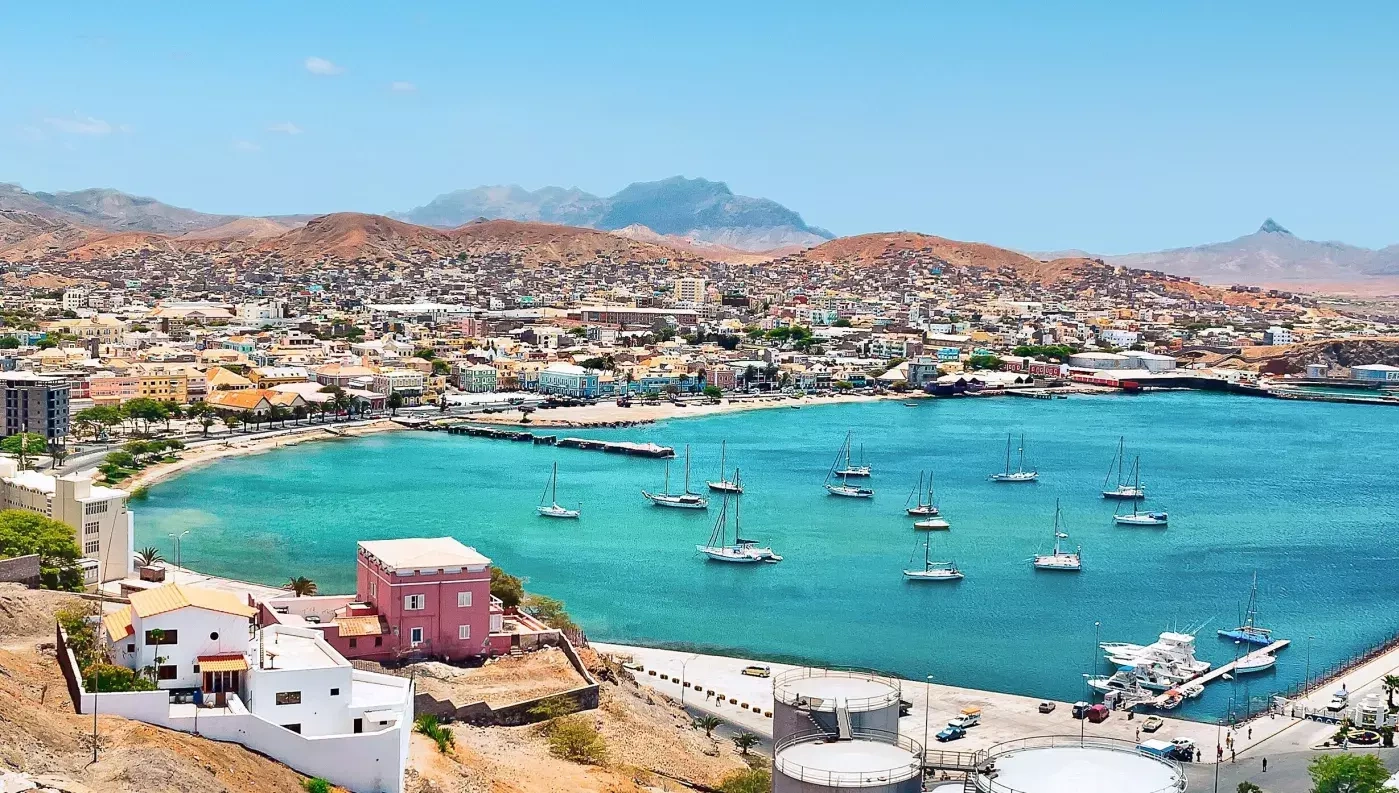
Jakarta, ThedailyID — Cape Verde is enjoying a surge in global tourism interest after its impressive run at the 2026 FIFA World Cup, despite exiting the tournament in the Round of 32.
The island nation captured worldwide attention with its underdog campaign, creating what tourism experts describe as the “World Cup Effect”—a phenomenon in which countries experience increased international exposure after competing on football’s biggest stage.


According to Forbes, online interest in Cape Verde has climbed sharply since the tournament began.
Google Trends recorded a significant rise in searches for “Cape Verde vacation.” Meanwhile, travel platform Expedia reported that searches from the United States increased by more than 800% compared with pre-tournament levels.
Officially known as the Republic of Cabo Verde, the country consists of 10 volcanic islands located about 640 kilometers off the coast of West Africa. Nine of those islands are inhabited by a population of roughly 600,000 people.
Cape Verde offers warm, dry weather throughout most of the year, with average temperatures ranging between 24°C and 29°C. Atlantic Ocean breezes also help keep the tropical climate comfortable for visitors.
Among its top destinations is Sal Island, famous for its white-sand beaches, turquoise waters, and the resort town of Santa Maria. The island attracts visitors with activities such as windsurfing, kitesurfing, diving, and boat tours.
Meanwhile, Boa Vista Island offers a quieter atmosphere and is home to the scenic Santa Monica Beach, an unspoiled stretch of coastline spanning about 11 kilometers.
Beyond its beaches, Cape Verde also features volcanic landscapes, salt flats, hiking trails, and a culture shaped by both African and Portuguese influences.
The country has also earned a reputation as one of Africa’s safer travel destinations. Although visitors should remain alert for petty theft in crowded areas, violent crime remains relatively low.
The U.S. Department of State classifies Cape Verde as Level 1: Exercise Normal Precautions, the same travel advisory level assigned to countries including Japan, Canada, and Australia.
Tourism had already been growing before the World Cup. Data from Cape Verde’s National Statistics Institute showed the country welcomed more than 1.24 million visitors in 2025, an increase of around 6% from the previous year.
Most tourists came from the United Kingdom, followed by Portugal, Germany, and France.
With its successful World Cup appearance bringing unprecedented global exposure, Cape Verde is expected to strengthen its position as one of the world’s emerging island travel destinations.