

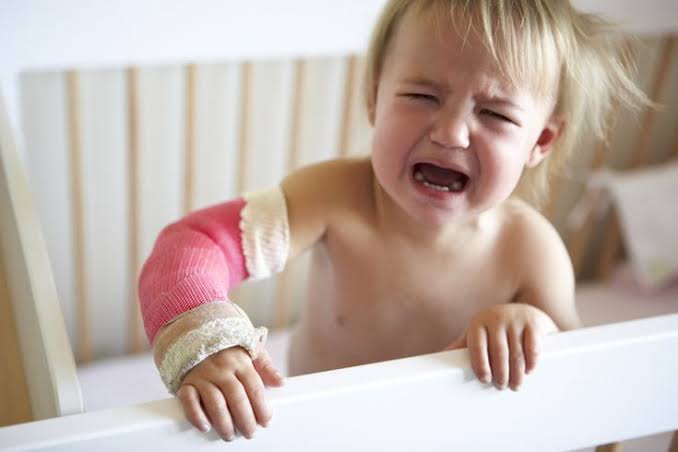
Jakarta, ThedailyID — Orthopedic specialists urge parents not to massage a child who may have a broken bone. They warn the practice can worsen the injury and increase the risk of long-term complications.
Many people still believe massage can straighten broken bones or speed up healing. However, pediatric orthopedic experts say fractures require proper medical treatment instead of manual manipulation.


According to Children’s Hospital Los Angeles (CHLA), parents should seek medical care immediately after a suspected fracture. Early diagnosis helps doctors decide whether a child needs a cast, bone realignment, or surgery. Quick treatment also reduces the risk of long-term complications.
The Royal Children’s Hospital Melbourne gives similar advice. Doctors recommend keeping the injured limb still and avoiding unnecessary movement. Parents should use a splint or sling if available, apply a cold compress to reduce swelling, and take the child to the nearest hospital.
Children’s bones usually heal faster than adults’ because they are still growing. Even so, doctors must align the bone correctly before healing begins. Poor treatment can cause malunion, where the bone heals in the wrong position. It can also lead to nonunion, when the bone fails to heal completely. Growth plate injuries may also disrupt normal bone development.
Doctors also warn against forcing or massaging a fractured limb. Such actions can move broken bone fragments farther apart. They may also damage muscles, blood vessels, and nearby nerves. As a result, pain, swelling, and bleeding can become more severe.
Parents should watch for warning signs after a fall or accident. Severe pain, swelling, deformity, difficulty moving the limb, or an inability to bear weight may indicate a fracture. Even mild symptoms deserve medical evaluation because some fractures only appear on X-rays.
Research from Universitas Airlangga also highlights the risks of relying on traditional bonesetters. Delayed or improper treatment can turn a simple fracture into a serious injury. In many cases, doctors must perform surgery and use plates, screws, or pins to repair the damage.
Experts recommend a simple first response. Keep the injured area still. Apply a cold compress to reduce swelling. Then take the child to the nearest healthcare facility without delay.
With prompt diagnosis and proper treatment, most childhood fractures heal well. As a result, children can recover safely and return to their normal activities without lasting complications.