


Jakarta, ThedailyID — Farting or passing gas is a normal part of digestion, but frequent flatulence can sometimes signal more than just something you ate. While certain foods often trigger excess gas, several other factors can also contribute.
The body releases digestive gas in two ways. Gas exits through the mouth as burping and through the rectum as flatulence.

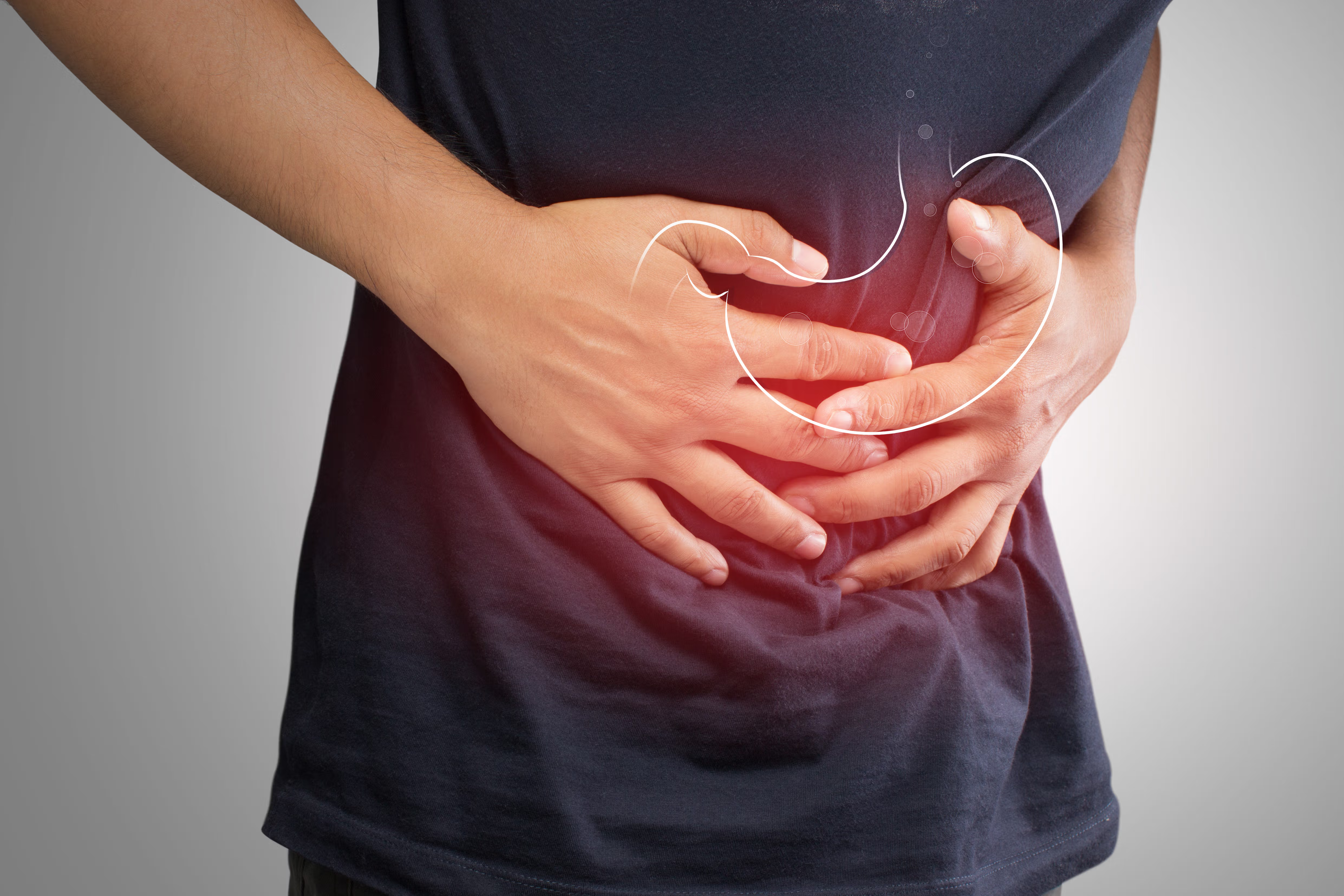
Although the process is natural, frequent gas can cause discomfort or embarrassment. It may also produce noticeable sounds or strong odors.
Here are six common reasons you may pass gas more often:
1. Swallowing too much air
Doctors refer to this condition as aerophagia. People often swallow extra air while talking, eating or drinking.
According to the Cleveland Clinic, chewing gum, drinking carbonated beverages, using loose dentures, drinking through a straw, smoking and talking while eating can all increase the amount of air you swallow.
2. Eating gas-producing foods
Foods rich in fiber, starches and certain sugars do not always digest completely in the small intestine.
According to Medical News Today, bacteria break down these foods in the large intestine and produce gas during the process.
Common triggers include cabbage, onions, whole grains, beans, dairy products and foods made with yeast. Fructose in fruit and sweetened drinks, as well as sorbitol used in sugar-free products, may also increase gas production.
3. Lactose intolerance
People with lactose intolerance cannot digest milk sugar efficiently. As a result, consuming dairy products can lead to bloating and excess gas.
4. Chronic digestive diseases
Conditions such as Crohn’s disease, ulcerative colitis, diverticulitis and small intestinal bacterial overgrowth (SIBO) often cause increased gas and bloating.
5. Digestive problems
Gastroenteritis, intestinal infections and food poisoning can all increase gas production. Infections caused by E. coli, amoebiasis and giardiasis may also trigger the symptom.
Constipation can make the problem worse because trapped stool prevents gas from passing normally.
6. Certain medications
Frequent use of laxatives can increase bloating and flatulence. Antibiotics may also contribute by disrupting the balance of healthy bacteria in the gut.