

Jakarta, ThedailyID — The fragile peace process between the United States and Iran has hit another obstacle. Planned negotiations in Switzerland were delayed after fresh Israeli attacks in southern Lebanon raised tensions just days after both sides signed a preliminary peace agreement.
The two countries signed a 14-point memorandum earlier this week. The agreement opened a 60-day window to negotiate a permanent peace deal. However, several unresolved issues continue to threaten the process. Here are five key facts.

1. Switzerland talks were postponed
The next round of negotiations was scheduled to begin in Switzerland. However, both sides delayed the meeting after fighting intensified in southern Lebanon.
Iran insisted that Israel must fully stop military operations in Lebanon before formal negotiations could continue. Swiss authorities confirmed they remain ready to host future talks.
2. Lebanon remains the biggest obstacle
Fresh Israeli airstrikes killed multiple people in southern Lebanon. As a result, Iran refused to send its delegation to Switzerland.
Tehran argued that the ceasefire outlined in the preliminary agreement must include Lebanon. The renewed fighting has become the biggest challenge to keeping the peace process alive.
3. The deal starts a 60-day negotiation period
The memorandum does not permanently end the conflict. Instead, it creates a 60-day framework for both countries to negotiate a final agreement.
The upcoming talks will focus on Iran’s nuclear program, sanctions relief, and broader regional security arrangements.
4. The Strait of Hormuz remains a major issue
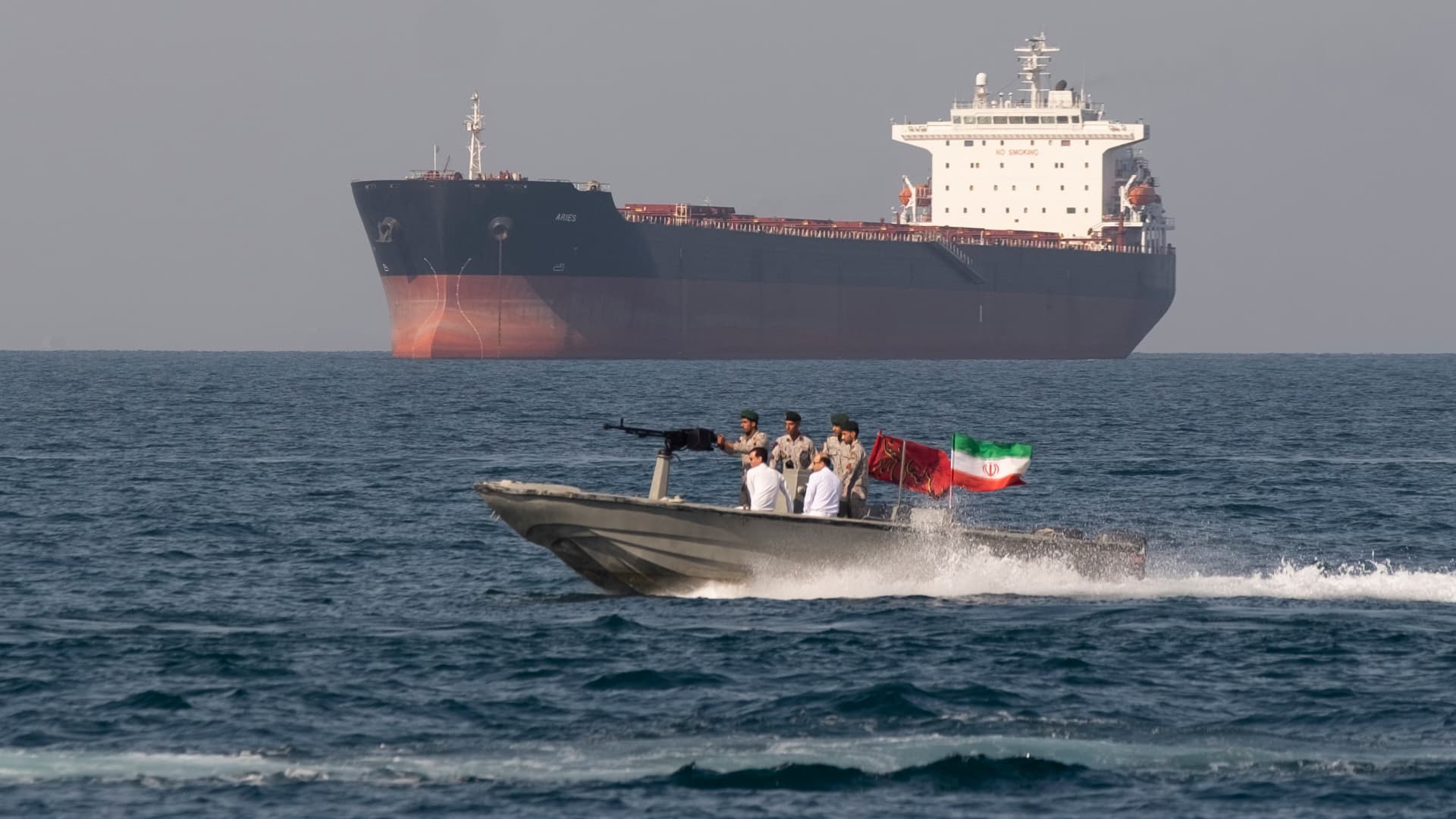
Another key dispute involves the Strait of Hormuz. Iran recently reimposed restrictions on the strategic waterway after accusing Israel of violating the Lebanon ceasefire.
Because roughly one-fifth of global oil shipments pass through the strait, any disruption could quickly affect energy markets worldwide.
5. Both sides still say diplomacy remains possible
Despite the delay, officials from both countries continue to support negotiations. US Vice President JD Vance traveled to Switzerland to lead the American delegation, while Iran continues to seek sanctions relief and guarantees on regional security.
Although tensions remain high, both governments have signaled they still want to reach a permanent agreement before the 60-day deadline expires.