

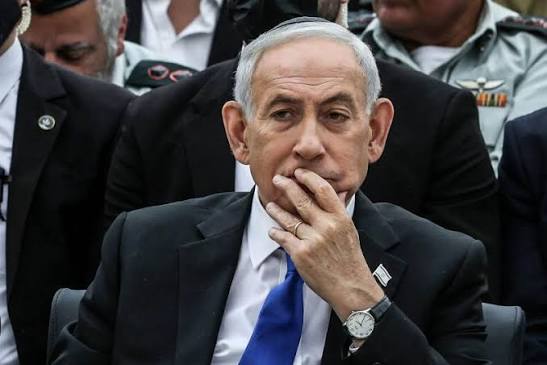
Jakarta, ThedailyID — Israeli Prime Minister Benjamin Netanyahu is facing growing political pressure after the United States signed a memorandum of understanding (MoU) with Iran aimed at ending months of conflict in the Middle East. The agreement has sparked criticism from Israeli officials and hardliners, who fear it gives Tehran significant concessions while limiting Israel’s military options.
According to reports, Netanyahu has privately voiced concerns that the Trump administration’s diplomatic approach could weaken Israel’s security position. He reportedly opposes easing pressure on Iran unless its nuclear program, ballistic missiles, and regional proxy networks face stricter restrictions.

The MoU, signed separately by US President Donald Trump and Iranian President Masoud Pezeshkian, outlines a framework to end hostilities and launch formal negotiations over the next 60 days. The agreement also includes plans to lift US oil sanctions on Iran and support a reconstruction package worth approximately US$300 billion (Rp5,342 trillion) after both sides reach a final nuclear agreement.
However, the deal has created visible tensions between Washington and Tel Aviv. Netanyahu has continued to insist that Israel must retain the freedom to respond to security threats, particularly from Hezbollah in Lebanon. He has also refused to withdraw Israeli forces from southern Lebanon despite international pressure.
Meanwhile, US Vice President JD Vance publicly defended the agreement and criticized Israeli objections. He argued that the United States remains Israel’s strongest ally despite disagreements over the Iran deal.
The diplomatic strain comes as Washington works to preserve the fragile ceasefire in Lebanon, which officials view as a key condition for advancing broader peace talks with Iran. Continued clashes between Israel and Hezbollah, however, threaten to derail those negotiations.
The agreement marks one of the biggest foreign policy decisions of Trump’s second term. While supporters see it as a chance to stabilize the region, critics in Israel argue that it risks strengthening Iran without securing enough strategic concessions.