

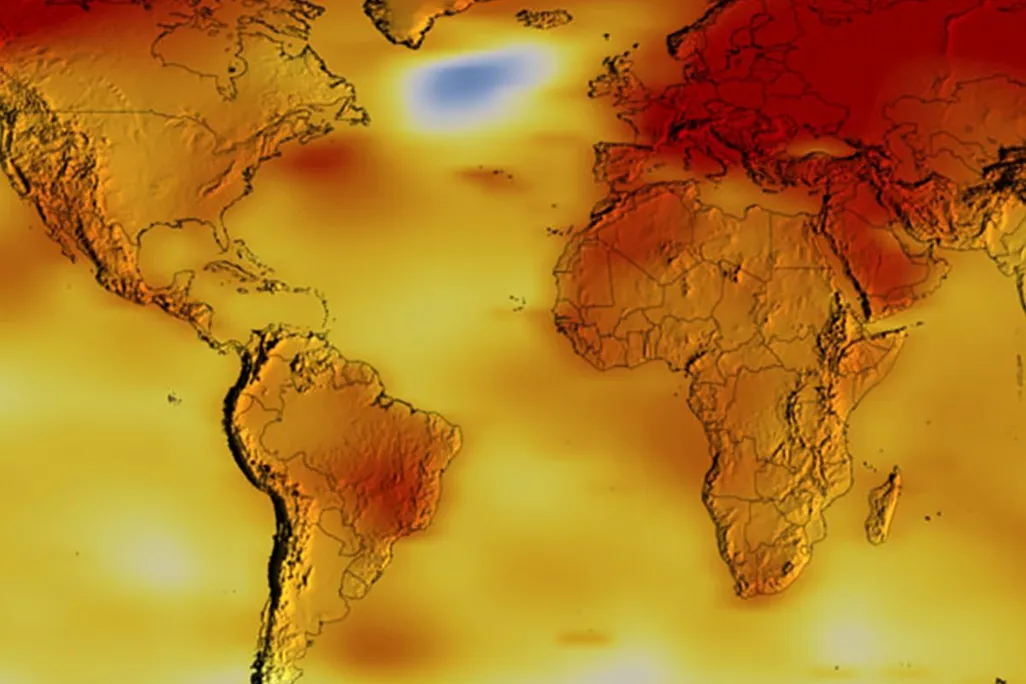
Jakarta, ThedailyID — Scientists have identified a troubling climate signal in the North Atlantic Ocean south of Greenland, raising fresh concerns about one of Earth’s most critical climate systems. The finding could indicate that a major climate tipping point is drawing closer.
Researchers focused on a large area of unusually cold water known as the “cold blob” or “warming hole.” While most of the world’s oceans continue to warm, this region has cooled by nearly 1 degree Celsius since 1900.


Scientists believe the phenomenon may signal a weakening of the Atlantic Meridional Overturning Circulation (AMOC). The system acts like a giant ocean conveyor belt that transports warm water from the tropics toward the Northern Hemisphere.
A growing body of research suggests climate change is disrupting the AMOC. Melting ice in Greenland adds large amounts of freshwater to the ocean, which can interfere with the circulation’s balance of heat and salinity.
According to a recent study, cooling in the cold blob extends deep below the ocean surface. Researchers said this pattern strengthens the argument that changes in ocean circulation, rather than weather conditions alone, are driving the anomaly.
Experts warned that a severe weakening or collapse of the AMOC could trigger major climate disruptions. Potential consequences include rising sea levels along parts of the U.S. East Coast, harsher winters in Europe, and shifts in rainfall patterns across Africa.
However, scientists stressed that uncertainties remain. While the latest findings add evidence to concerns about the AMOC, researchers continue to study the system and its long-term behavior.
The discovery highlights growing concerns about climate tipping points. These are thresholds beyond which environmental changes could accelerate and become difficult to reverse.