
Jakarta, ThedailyID — Climate change is contributing to a sharp rise in malaria cases across Southern Africa, according to health experts and researchers.
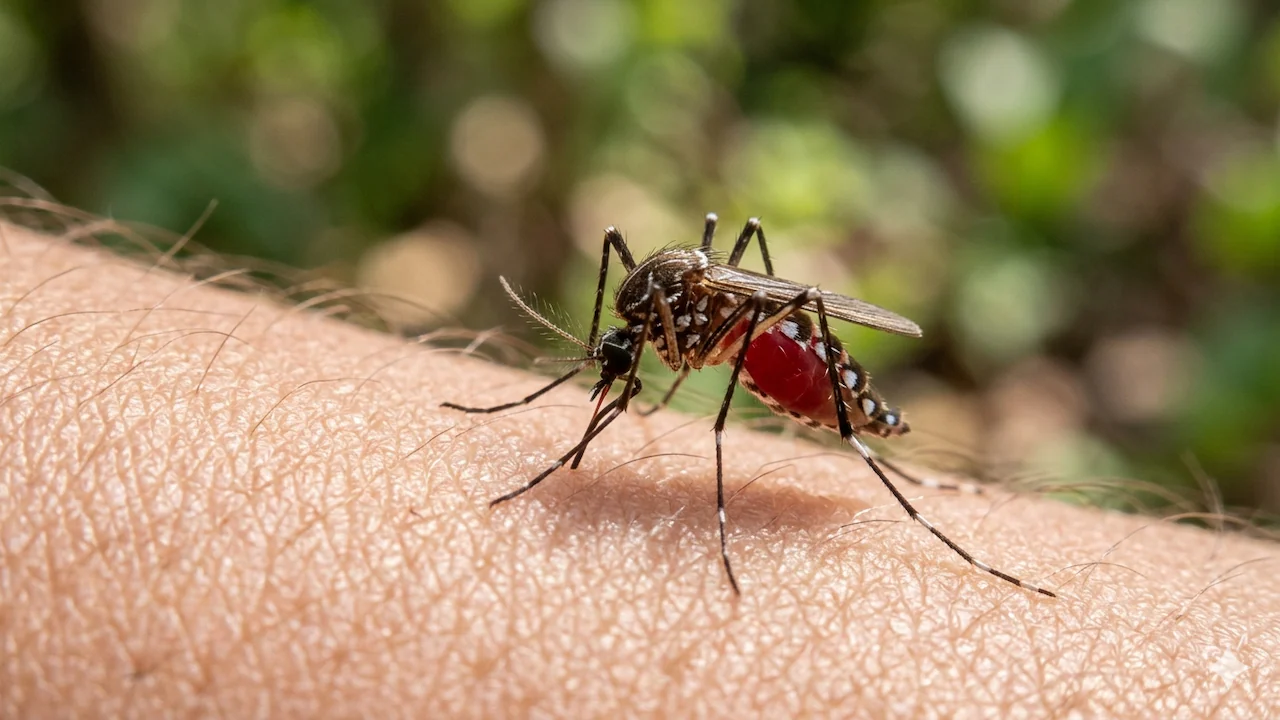
Warmer temperatures, shifting rainfall patterns, and more frequent extreme weather events have created favorable conditions for mosquitoes that spread the disease. As a result, malaria transmission has expanded into areas that previously recorded lower infection rates.


Researchers said rising temperatures allow mosquitoes to survive longer and reproduce more quickly. In addition, changing weather conditions have extended the period during which malaria can spread.
Several countries in Southern Africa have reported increases in malaria cases in recent years. Health authorities have also warned that climate-related changes could make outbreaks more frequent and difficult to control.
Meanwhile, extreme weather events such as floods and heavy rainfall can create new mosquito breeding grounds. Consequently, communities already facing limited healthcare access often face greater risks during outbreaks.
Experts stressed that climate change is not the sole cause of malaria. However, it has intensified conditions that support the spread of the disease and complicated efforts to eliminate it.
Public health officials are calling for stronger disease surveillance, improved mosquito control measures, and greater investment in healthcare systems. They also urged governments to incorporate climate risks into long-term health planning.
The findings highlight the growing connection between climate change and public health challenges. Moreover, they underscore the need for coordinated action to reduce the impact of infectious diseases across vulnerable regions.