
Jakarta, ThedailyID — Indonesia’s National Nutrition Agency (BGN) has acknowledged that providing milk for the government’s Free Nutritious Meals (MBG) program remains a major challenge due to limited domestic supply and production capacity.
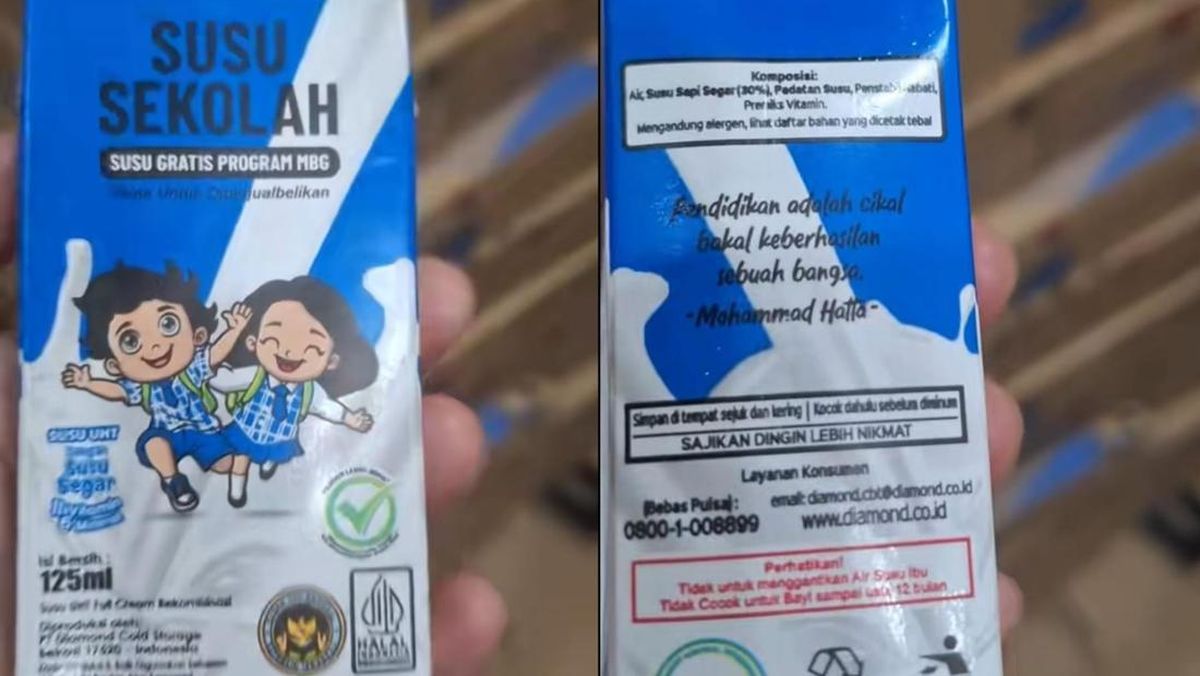
BGN said milk is not yet a mandatory daily component of the MBG program. Instead, schools and nutrition service units can provide milk based on local availability and supply chain conditions.


According to BGN, Indonesia’s dairy industry has not fully adapted to the surge in demand created by the nationwide nutrition program. As a result, producers continue to adjust their production facilities and processing capacity.
The agency noted that milk distribution currently depends heavily on regions with established dairy farming industries. Therefore, areas without local dairy production are not required to include milk in MBG menus.
Instead, schools can use other calcium-rich foods with similar nutritional value.
BGN Head Dadan Hindayana previously stated that the government does not want schools to force milk distribution if local supplies are unavailable.
He also emphasized that the program prioritizes locally sourced products and does not allow imported dairy products for MBG implementation.
Another challenge comes from Indonesia’s overall milk production. BGN experts previously revealed that national demand for milk increased significantly after the launch of MBG, while domestic fresh milk production remains far below total demand.
To address the gap, BGN currently allows gradual milk distribution while encouraging greater absorption of fresh milk from local farmers. The agency also requires milk products used in the program to contain a minimum proportion of domestically produced fresh milk.
Despite the supply constraints, BGN said milk will continue to be included in MBG menus whenever local availability allows. The agency views the policy as a way to improve nutrition while supporting Indonesia’s dairy farming sector.