

Jakarta, ThedailyID — Rising AI-based cyber fraud threats pushed AFTECH and Jalin to encourage stronger protection across Indonesia’s digital payment ecosystem.
Indonesia’s digital economy continues growing rapidly as more people rely on digital financial transactions. According to Bank Indonesia, digital payment transactions reached 14.82 billion during the first quarter of 2026. The figure increased 37.69 percent compared to the same period last year.


However, cybercrime threats also continue increasing alongside the growth. Fraudsters now use artificial intelligence, or AI, to launch more sophisticated attacks that are harder to detect.
Indonesia’s National Cyber and Encryption Agency, locally known as Badan Siber dan Sandi Negara (BSSN), recorded 5.2 billion internet traffic activities in 2025 that potentially became cyberattack channels. Around 94 percent of the traffic involved malware with high risk of evolving into ransomware attacks.
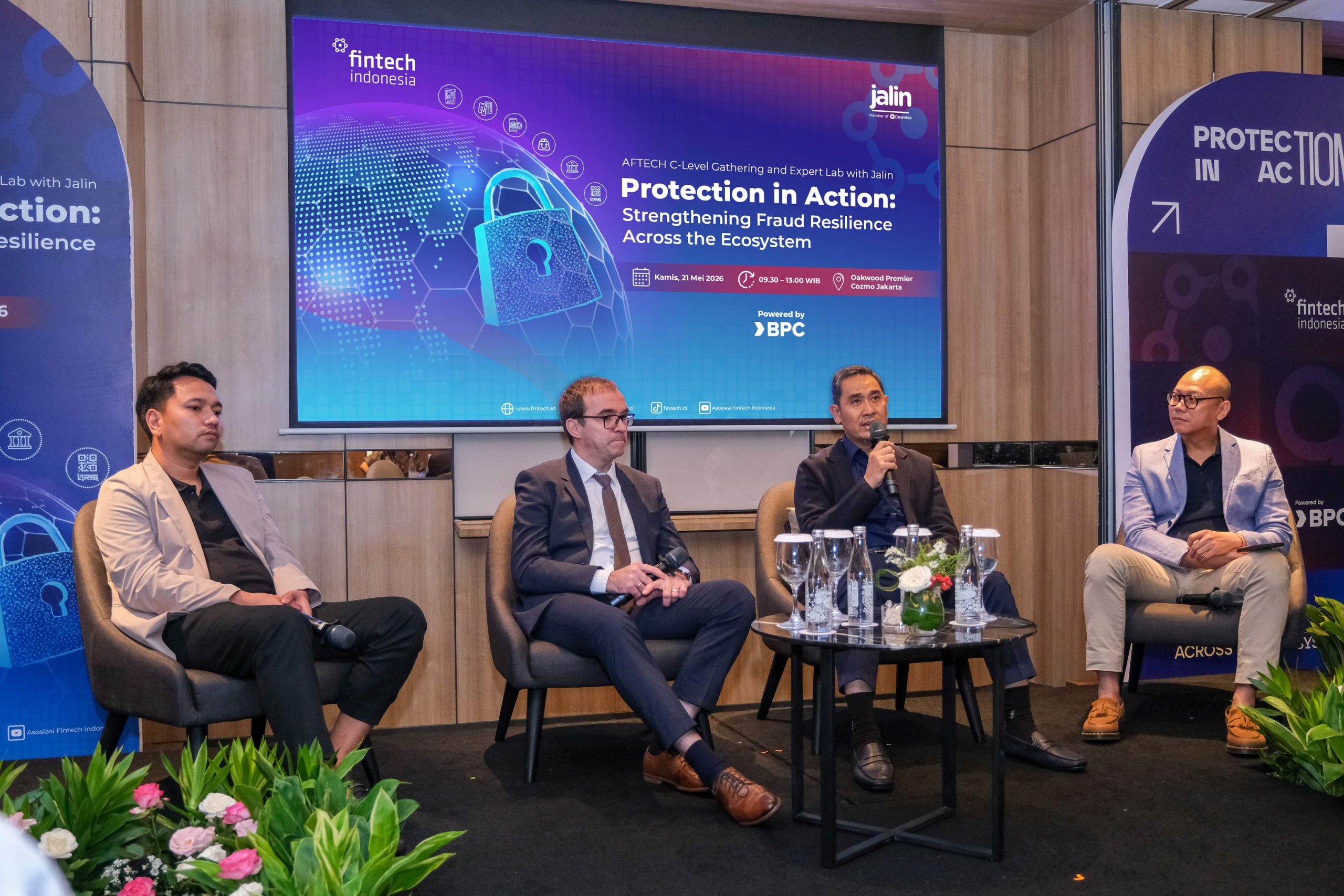
Responding to the situation, AFTECH and Jalin, supported by BPC, organized a discussion forum titled “Protection in Action: Strengthening Fraud Resilience Across Ecosystem” in Jakarta on May 21.
The forum gathered regulators, industry players, and strategic partners. Together, they discussed ways to strengthen Indonesia’s digital payment security system through cross-sector collaboration.
During the event, AFTECH Vice Chairman II Budi Gandasoebrata emphasized that security, infrastructure resilience, and risk management remain critical foundations for sustainable digital payment systems.
According to Budi, the digital finance industry no longer faces pressure only to grow quickly. Instead, companies must also become more resilient against increasingly advanced cyber threats.
“In this context, Fraud Detection Systems, or FDS, are no longer supporting features,” Budi stated. “They have become critical infrastructure for the digital financial industry.”
Meanwhile, Head of Consumer Legal Protection Directorate at Indonesia’s Financial Services Authority, or Otoritas Jasa Keuangan (OJK), Tri Herdianto highlighted the growing complexity of digital financial threats.
Tri explained that Indonesia continues recording major growth in digital transactions due to wider e-wallet and QRIS adoption. However, he warned that fraud threats continue evolving in both scale and attack methods.
He stressed that fraud resilience now represents a core pillar for maintaining public trust. According to him, the issue also affects the long-term sustainability of the financial services sector.
Jalin President Director Ario Tejo Bayu Aji also highlighted the importance of collective responses to cyber threats targeting digital payment platforms.
According to Ario, shared services and infrastructure approaches in fraud management could help industry players improve efficiency while strengthening security standards.
He explained that standardized systems allow companies to respond to incidents faster. The approach could also reduce systemic risks significantly.
The forum also introduced an Expert Lab session. The session allowed participants to directly experience Fraud Detection Systems integrated across payment ecosystem data.
AFTECH and Jalin believe that cross-sector collaboration and adaptive security systems can help mitigate AI-based cybercrime risks more proactively.
Through stronger cooperation, both organizations hope Indonesia can maintain public trust while supporting safer and more resilient digital economic growth.