

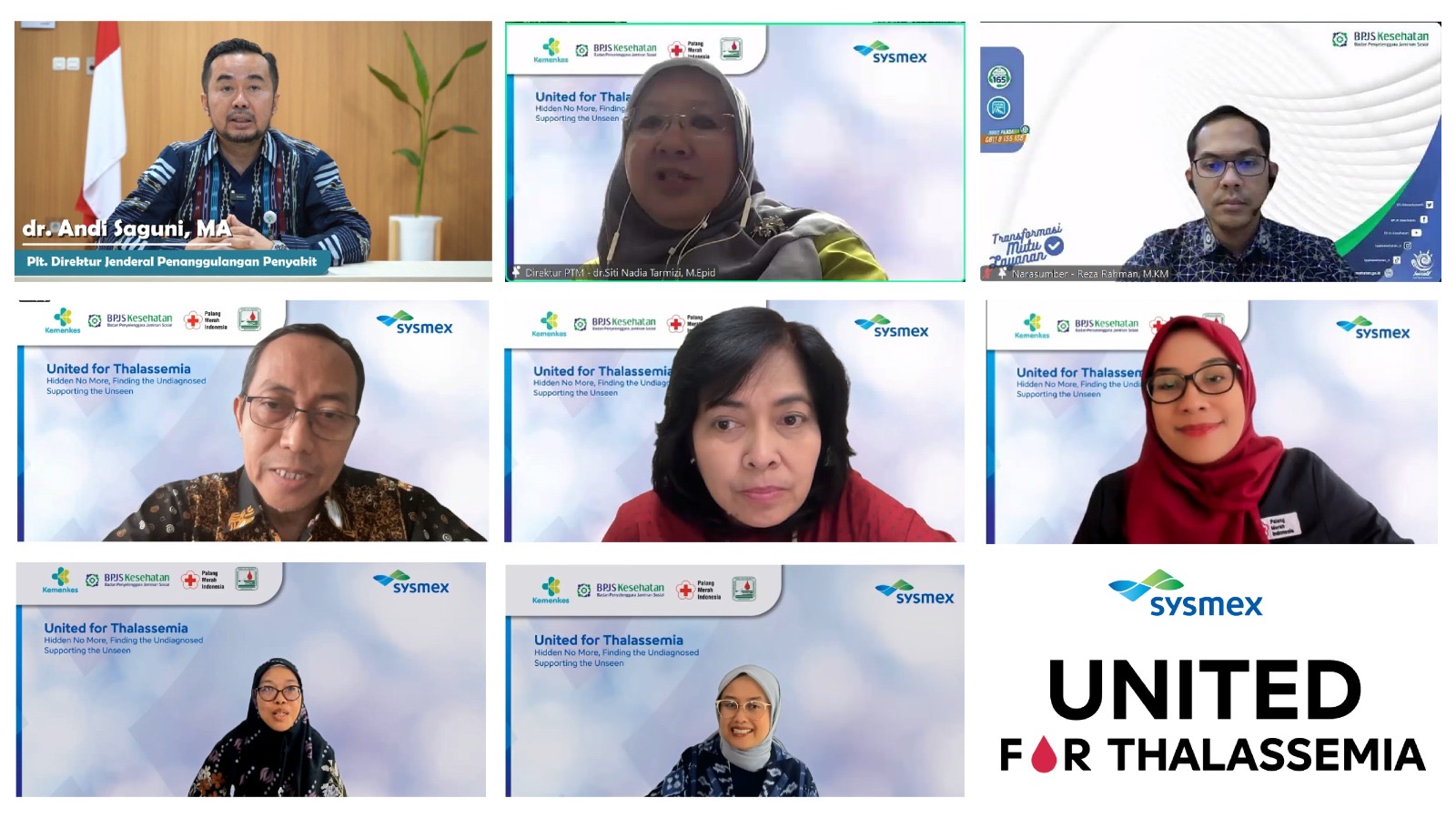
Jakarta, ThedailyID — Sysmex Indonesia is encouraging stronger public awareness around thalassemia prevention through early screening efforts in Indonesia.
The company stated that around 2,500 babies are born with thalassemia major every year in Indonesia. The condition is a serious genetic blood disorder that often requires lifelong blood transfusions.


According to health experts, many of these cases could actually be prevented through earlier detection and screening programs.
To commemorate World Thalassemia Day 2026, Sysmex Indonesia partnered with the Indonesian Ministry of Health, BPJS Kesehatan, Indonesian Red Cross, and the Indonesian Thalassemia Parents Association (POPTI).
The initiative carries the theme “United for Thalassemia” alongside the global campaign theme “Hidden No More: Finding the Undiagnosed, Supporting the Unseen.”
Throughout May 2026, the campaign includes a national webinar, a blood donation drive, and a social media awareness competition. The activities aim to strengthen public education, improve screening awareness, and encourage stronger collaboration in thalassemia prevention.
The national webinar became one of the main programs in the campaign. The event brought together representatives from the Ministry of Health, BPJS Kesehatan, PMI, pediatric specialists, and thalassemia advocacy communities.
Discussions focused on national prevention strategies, healthcare access in the JKN era, developments in early diagnosis, and the importance of maintaining blood supply availability for patients.
Health experts explained that thalassemia differs from ordinary anemia because the disease affects hemoglobin formation in red blood cells.
As a result, patients with thalassemia major often require regular blood transfusions throughout their lives.
Meanwhile, thalassemia minor may not show visible symptoms and often remains undetected without medical testing.
Data presented during the campaign showed that between 2.6% and 11% of Indonesians carry alpha-thalassemia traits. Around 3% to 10% carry beta-thalassemia traits, while HbE carrier rates range from 1.5% to 36%.
These figures highlighted the importance of stronger prevention efforts across the country.
Experts warned that many carriers appear completely healthy and may never realize they carry the genetic trait without blood testing.
Therefore, early screening remains important, especially for teenagers, couples planning marriage, families with thalassemia history, and high-risk communities.
“Without screening, thalassemia may continue to be passed down across generations,” said dr. Andi Saguni from the Directorate General of Disease Control at Indonesia’s Ministry of Health.
He emphasized that education, early detection, and stakeholder collaboration remain essential parts of strengthening thalassemia prevention in Indonesia.
As part of the initiative, Sysmex Indonesia also organized a blood donation program to help maintain blood supply for patients with thalassemia major.
Routine blood transfusions remain one of the most important long-term treatments for many patients living with the condition.
Meanwhile, the campaign’s social media competition encourages the public to share stories about family support, healthcare experiences, and awareness about early screening.
The digital campaign aims to expand education through more participatory and community-based engagement online.
Experts also stressed that thalassemia treatment requires comprehensive support beyond transfusions alone. Patients often need iron chelation therapy, psychological support, and long-term healthcare management.
Through the World Thalassemia Day 2026 campaign, Sysmex Indonesia reaffirmed its commitment to supporting public health and preventive healthcare efforts in Indonesia.
The company also encouraged people to understand their thalassemia risk earlier through medical screening and education programs.