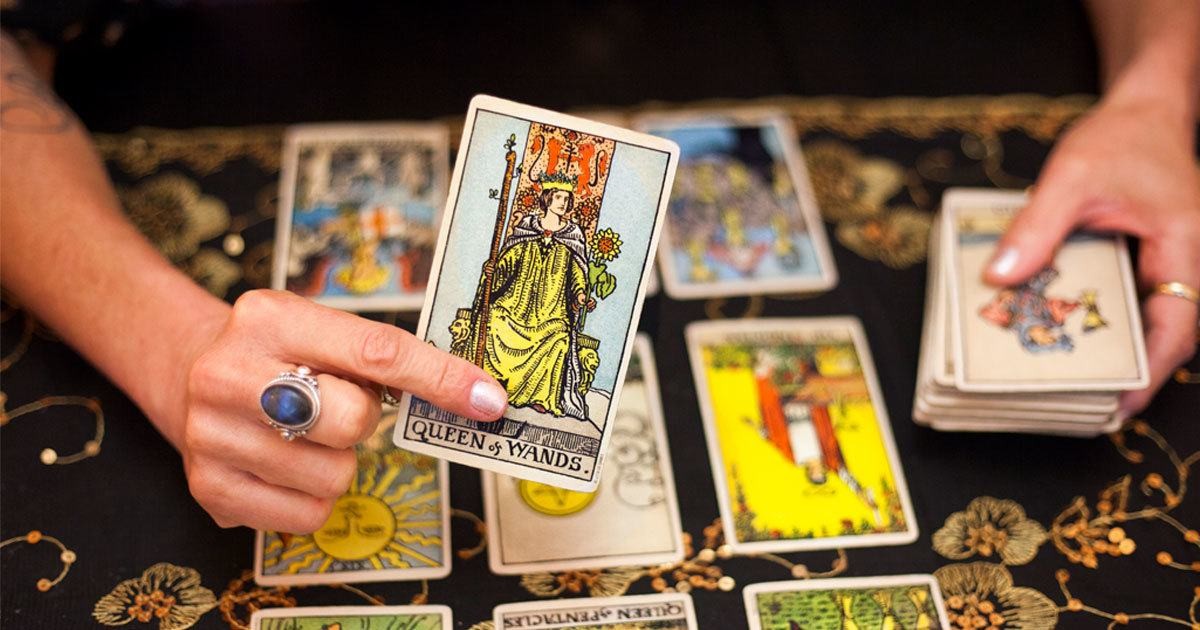
Jakarta, ThedailyID — Tarot readings are gaining traction among younger people, but psychologists say the trend reflects something deeper than curiosity about the future. It may reflect how people seek certainty and emotional grounding in uncertain times.
Clinical psychologist Arnold Lukito said many people do not actually want to know the future in literal terms. Instead, many seek reassurance, structure, and a sense that life can still be understood.
That view aligns with a 2017 study, Cassandra’s Regret: The Psychology of Not Wanting to Know, by Gerd Gigerenzer and Rocio Garcia-Retamero. The research found 85 to 90 percent of participants preferred not to know future negative events. Even 40 to 70 percent chose not to know positive outcomes.
Only around 1 percent consistently wanted to know the future, a phenomenon researchers call deliberate ignorance. Experts say that helps explain why tarot often functions less as prophecy and more as a form of emotional reflection.
In many cases, the comfort does not come from “knowing” what will happen. It comes from feeling life has structure, meaning, and direction. In psychology, this is often linked to a sense of coherence.
However, that comfort can be fragile, as readings that feel negative or ambiguous may instead trigger anxiety. Psychologists also warn about Self-fulfilling prophecy, where people may unconsciously act in ways that reinforce fearful predictions.
Researchers say human curiosity about the future is also biological. The brain constantly anticipates outcomes through Predictive processing, helping people prepare for risks and uncertainty. This may help explain why divination practices often feel appealing during unstable periods.
Psychologists also point to intolerance of uncertainty, a tendency to feel distress when outcomes remain unknown. The stronger that discomfort, the greater the urge to seek certainty, whether through logic, ritual, or symbolic tools like tarot.
This dynamic resonates with many younger people facing economic volatility, climate anxiety, and rapid technological disruption. Experts say that may be one reason tarot, astrology, and similar spiritual tools have found renewed relevance among Gen Z.
Still, Arnold notes the fascination is far from new. From ancient Greek oracle traditions to I Ching and Javanese primbon, humans have long searched for ways to interpret the future. What has changed, he says, is the medium through which people access those practices.
Today, many of those traditions live on social media, where younger users can access tarot readers as easily as scrolling a feed. That may be why Gen Z appears especially drawn to tarot, not necessarily because they believe more, but because they encounter it more often.
In that sense, the rise of tarot may say less about predicting fate and more about a timeless human instinct: searching for stability when life feels uncertain.