
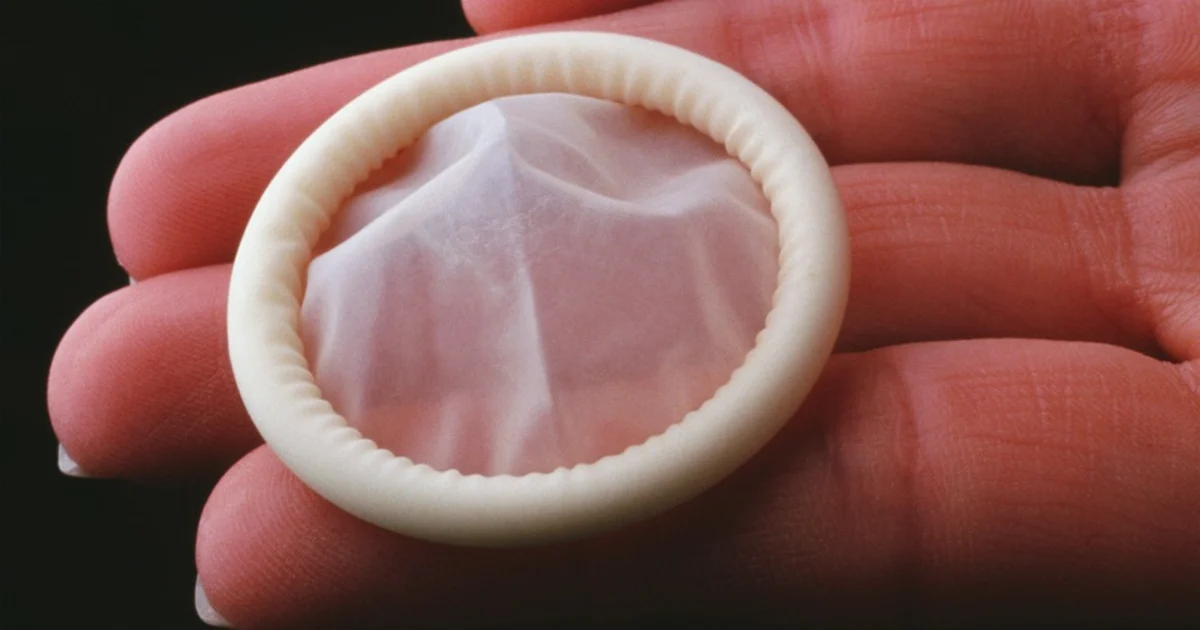
Jakarta, ThedailyID — Global condom prices could rise by up to 30% as the ongoing conflict involving Iran disrupts supply chains and drives up production costs.
The warning comes from Karex, the world’s largest condom producer. The company supplies around one in five condoms globally and manufactures products for major brands.

CEO Goh Miah Kiat said the company may increase prices between 20 and 30 percent. He added that the final adjustment depends on how long supply disruptions continue.
The conflict, which escalated in late February 2026, has significantly affected global logistics. In particular, tensions around key shipping routes like the Strait of Hormuz have slowed the flow of raw materials.
As a result, the cost of essential materials has surged. These include synthetic rubber, nitrile, lubricants, and packaging components such as aluminum foil and silicone oil, all of which rely heavily on petrochemical supplies.
Moreover, production costs at Karex have increased by roughly 25 to 30 percent since the conflict began. Some materials, such as nitrile latex, have even doubled in price, while silicone oil has risen by about 30 percent.
At the same time, global demand for condoms has increased. According to the company, demand has risen as economic uncertainty pushes people to be more cautious about family planning.
However, supply has struggled to keep up. Shipping delays have worsened, with deliveries to regions like Europe and the United States taking significantly longer than usual.
This imbalance between rising demand and constrained supply has tightened the market. As a result, manufacturers have little choice but to pass higher costs on to consumers.
Karex stated that it still has enough raw materials to sustain production for the next few months. However, the long-term outlook remains uncertain if the conflict continues to disrupt global supply chains.
Overall, the situation highlights how geopolitical tensions can quickly impact everyday products. From energy to healthcare goods, the ripple effects of the Iran conflict continue to spread across global markets.