

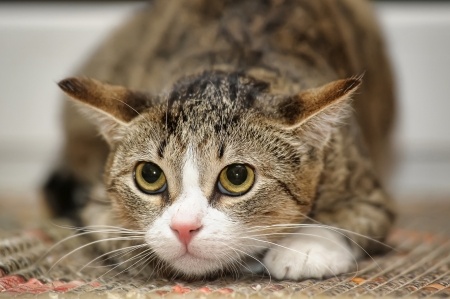
Jakarta, ThedailyID — Cats often hide discomfort, making subtle changes in their daily behavior one of the earliest signs that something may be wrong.
A 2015 study published in the Journal of Feline Medicine and Surgery found that stress in cats can appear through changes in behavior and daily habits. Stress may develop when their behavioral needs are not met or when interactions with people or other animals become difficult.


Here are six common signs that may indicate a cat is experiencing stress.
1. Hiding more often
Cats naturally seek quiet places from time to time. However, frequent hiding or avoiding people and other pets may signal stress.
2. Changes in appetite
A stressed cat may eat less or lose interest in food altogether. However, appetite changes can also indicate an underlying medical condition, so owners should monitor other symptoms as well.
3. Different grooming habits
Cats spend a significant amount of time grooming themselves. Stress can cause some cats to groom less, while others may groom excessively, leading to skin or coat problems.
4. Increased aggression or withdrawal
Stress may cause normally calm cats to hiss, growl, or become aggressive. Others may respond by avoiding human interaction and isolating themselves.
5. Less interest in play
Cats experiencing stress may become less active and lose interest in playing, climbing, or exploring their surroundings. Reduced activity and social interaction are common behavioral changes.
6. Changes in litter box habits
A cat that suddenly stops using its litter box or begins urinating or defecating elsewhere may be under stress. However, urinary tract problems or digestive issues can produce similar symptoms.
Experts also recommend paying attention to body language. A crouched posture, flattened ears, dilated pupils, a rapidly moving or tucked tail, and repeated attempts to hide may all signal that a cat is under stress.
Veterinarians caution that no single behavior confirms stress on its own. Because illness can produce many of the same signs, owners should seek veterinary advice if the changes persist or worsen.