
Jakarta, ThedailyID — Indonesia’s newly passed Asset Forfeiture Law allows authorities to seize assets linked to six types of crimes beyond corruption. The law permits asset forfeiture both with and without a final criminal conviction.
Article 3 establishes two conditions for asset forfeiture. Authorities can seize assets based on a criminal judgment that has obtained permanent legal force. They can also pursue forfeiture without a criminal conviction against the offender.


Article 4, however, initially refers to asset forfeiture in cases involving corruption. It states that forfeiture under either mechanism applies to corruption offenses.
Nevertheless, the law also identifies six other categories of crimes that may lead to asset forfeiture.
These include narcotics and psychotropic drug offenses, as well as terrorism and the financing of terrorism.
The other categories cover human smuggling, the smuggling of weapons, ammunition and hazardous materials, and human trafficking.
The sixth category involves embezzlement using information technology or offenses that affect the wider public economy.
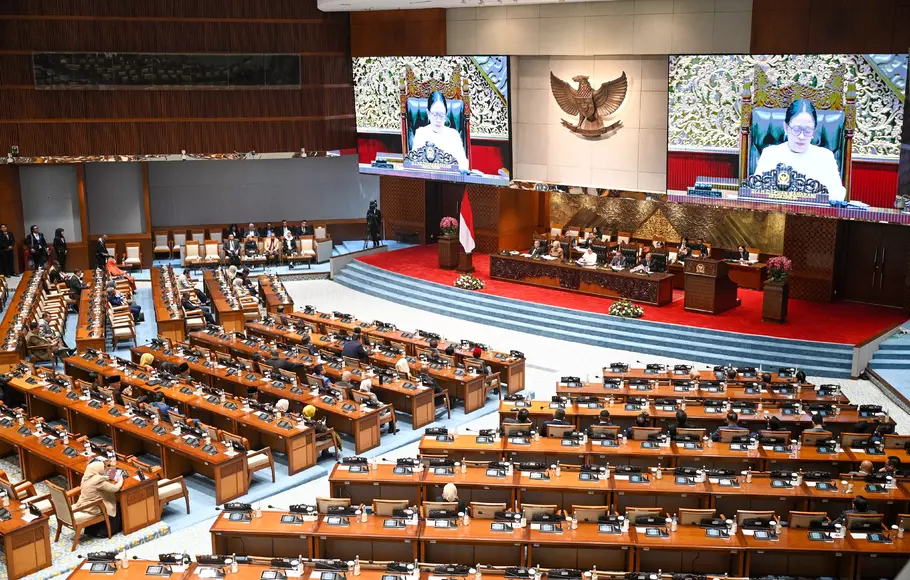
The House of Representatives (DPR) officially passed the Asset Forfeiture Bill into law during its 13th plenary session of the 2026–2027 second sitting period on Thursday, November 19.
DPR Speaker Puan Maharani chaired the session alongside four deputy speakers: Sufmi Dasco Ahmad, Sari Yuliati, Saan Mustopa, and Cucun Ahmad Syamsurizal.
A total of 361 out of 573 DPR members attended or signed the attendance list. Representatives from all parliamentary factions participated in the session.
Puan then asked each faction whether they agreed to pass the bill into law. All participants approved the measure.