

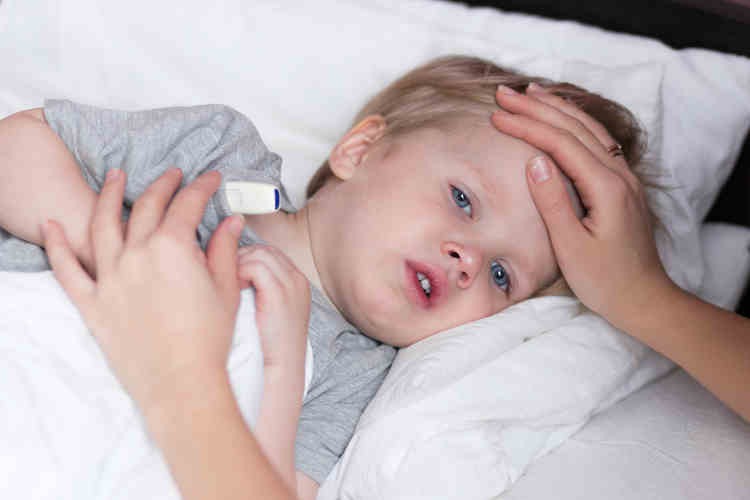
Jakarta, ThedailyID — Pneumonia in children can become dangerous if parents overlook its early symptoms. Recognizing the warning signs and seeking medical care promptly can help prevent serious complications.
Pneumonia is an infection of the lower lungs that causes inflammation and can interfere with breathing. The symptoms vary depending on the child’s age and the severity of the infection.


Babies and toddlers may not always show common signs such as coughing. Therefore, parents should watch for the following seven symptoms.
1. Faster Breathing Than Usual
One early sign of pneumonia, according to the Cleveland Clinic, is a change in breathing patterns. Children may breathe faster than usual or struggle to take a breath.
In babies, rapid breathing can appear before a cough develops.
2. Chest Pulling Inward During Breathing
Parents should watch the chest and the spaces between their child’s ribs. If the skin pulls inward during breathing, the child may be working harder to get enough air.
This condition, known as retractions, signals breathing difficulty and requires prompt medical attention.
3. Coughing and Noisy Breathing
Children with pneumonia may develop either a dry or productive cough. Their breathing may also produce wheezing or other unusual sounds.
Older children and teenagers often experience symptoms similar to adults, including fever, coughing, and noisy breathing.
4. Fever or Unusual Body Temperature
According to HealthyChildren.org, fever is a common symptom of pneumonia. Children may also sweat, experience chills, and appear uncomfortable.
However, pneumonia can sometimes cause a lower-than-normal body temperature in babies. Parents should therefore pay attention to unusual temperature changes.
5. Reduced Appetite and Weakness
Children with pneumonia may refuse to breastfeed, eat, or drink as usual. They may also become more irritable, cry frequently, lose interest in activities, or sleep more than usual.
In babies, the infection can cause noticeable weakness and low energy.
6. Chest Pain, Stomach Pain, and Vomiting
Toddlers and older children may experience chest pain, especially when coughing or taking deep breaths.
Some children also develop stomach pain and vomiting. These symptoms can make eating and daily activities more difficult.
7. Changes in Lip and Nail Color
Bluish, pale, or grayish lips, skin, or nails can signal dangerously low oxygen levels in the blood.
This is an emergency warning sign. Children showing these changes need immediate medical attention.
When Should Parents Seek Medical Help?
Parents should contact a doctor as soon as their child shows possible pneumonia symptoms.
However, seek emergency care immediately if a child has severe breathing difficulties, chest retractions, flaring nostrils, or a baby’s head moves up and down with each breath. Bluish lips also require immediate hospital care.
Early treatment is important to prevent the infection from becoming more serious.