
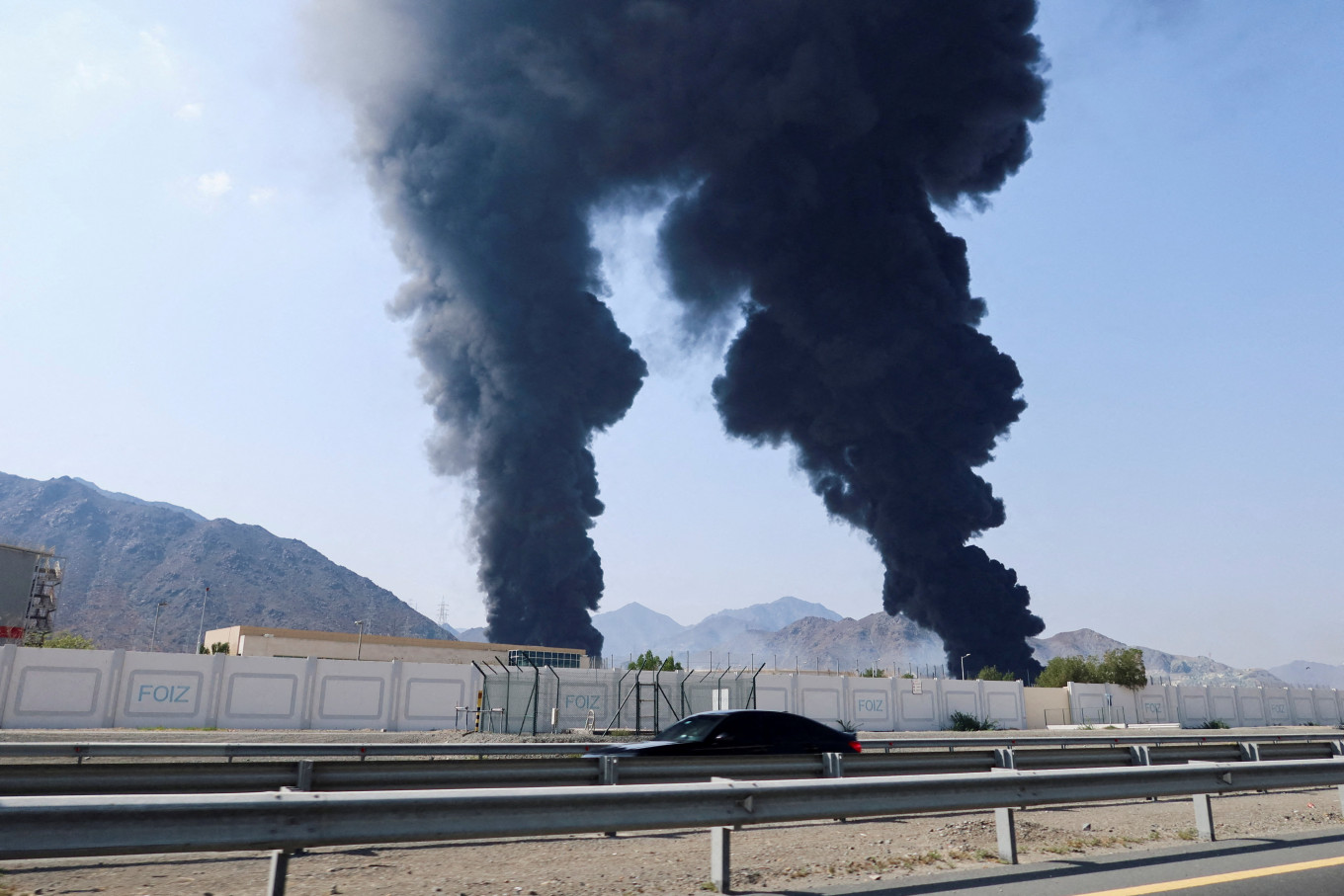
Jakarta, ThedailyID — Iran launched missile and drone attacks targeting Israel and Kuwait on April 5, 2026, escalating tensions across the Middle East after US President Donald Trump issued a 48-hour ultimatum demanding a deal.
Authorities in both countries activated air defense systems to intercept incoming projectiles. Initial reports suggest several missiles were shot down, although damage assessments remain ongoing.

The escalation follows earlier US and Israeli strikes on Iranian-linked targets. In response, Iran has widened its attacks beyond Israel, targeting strategic locations in the Gulf region.
According to multiple international reports, the conflict has now spread across several fronts. It involves direct exchanges, proxy groups, and attacks on key infrastructure.
Meanwhile, Iran has increased its presence around the Strait of Hormuz. The waterway carries a significant portion of global oil shipments, raising concerns over potential supply disruptions.
President Trump warned that Iran must agree to terms or face severe consequences.
“Time is running out — 48 hours before all hell will break loose,” he said.
Iranian officials quickly rejected the ultimatum. Military figures described the warning as aggressive and warned of a strong response if pressure continues.
At the same time, Iran signaled limited openness to diplomacy. Officials indicated that negotiations remain possible, but only if they lead to a lasting end to the conflict.
Analysts say the situation reflects a dangerous turning point. Unlike previous tensions, the current escalation involves more direct state-to-state confrontation rather than indirect proxy conflict.
In addition, global markets have reacted sharply. Oil prices have shown volatility due to fears of disruption in the Strait of Hormuz.
Furthermore, international leaders have called for restraint. Several governments urged both sides to avoid further escalation that could trigger a wider regional war.
Overall, the crisis continues to intensify. With both sides exchanging threats and military actions, the risk of broader conflict remains high.