
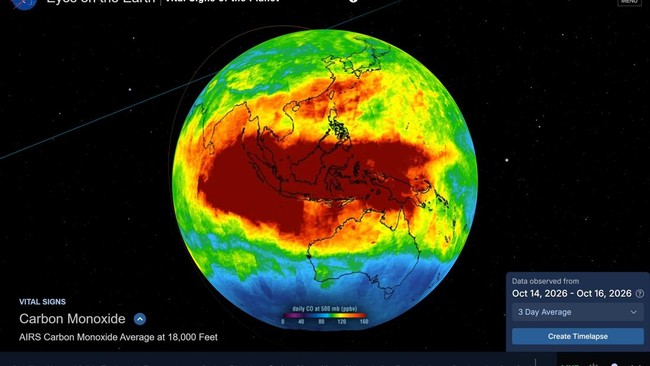
Jakarta, ThedailyID — NASA satellite imagery shows high concentrations of carbon monoxide (CO) in the atmosphere over Indonesia. The color-coded map displays elevated levels from Sumatra to Papua, with dark red dominating the area.
The high concentrations have persisted since early October. However, the data measures CO at an altitude of around 5,500 meters, so it cannot determine the actual poisoning risk for people on the ground.
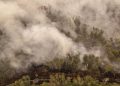

NASA identifies forest and land fires as one possible source of carbon monoxide. Other sources include motor vehicles, volcanic activity, and the incomplete burning of wood and fossil fuels.
Carbon monoxide is a colorless and odorless gas that can cause fatal poisoning. According to Indonesia’s Ministry of Health, inhaled CO binds to hemoglobin, the protein in red blood cells responsible for carrying oxygen.
This process forms carboxyhemoglobin (COHb), which reduces the blood’s ability to transport oxygen. As a result, body tissues may suffer from hypoxia, a condition in which they do not receive enough oxygen.
Indonesia’s Food and Drug Authority (BPOM) warns that hemoglobin binds more strongly to carbon monoxide than to oxygen. This can disrupt organs that need substantial oxygen supplies, particularly the brain and heart. People with coronary heart disease may face additional risks.
Carbon monoxide poisoning can be difficult to recognize. Early symptoms include headaches, nausea, vomiting, fatigue, dizziness, and shortness of breath. More severe exposure can cause confusion, vision problems, poor coordination, and loss of consciousness.
In serious cases, poisoning can progress to seizures, coma, and death. BPOM therefore describes carbon monoxide as a “silent killer” because people cannot detect it through smell or sight.
CO exposure can also occur indoors. Gas stoves, kerosene heaters, leaking chimneys, and vehicle exhaust entering poorly ventilated spaces can release dangerous levels of the gas. Running a vehicle inside a closed garage also creates a poisoning risk.
If carbon monoxide poisoning is suspected, move away from the source if it is safe to do so and seek emergency medical assistance immediately. BPOM identifies oxygen therapy as part of treatment, while rescuers must also protect themselves from exposure.