
Jakarta, ThedailyID — Five Israeli opposition leaders have agreed to coordinate their efforts ahead of the October 27 election, with replacing Benjamin Netanyahu’s government as their shared goal.
The group includes Yair Lapid, Gadi Eisenkot, Naftali Bennett, Avigdor Lieberman, and Yair Golan. They met at Lapid’s home in Tel Aviv on Saturday, September 26, and signed a document outlining their cooperation.
“We are united and determined to bring correction and hope to the State of Israel,” the leaders said in their joint declaration, according to The Times of Israel, quoted on Wednesday, September 30.
The agreement requires the parties to coordinate their campaigns while avoiding attacks against one another. They also aim to increase voter turnout and attract support from different sections of Israeli society.
The opposition leaders plan to create three joint working groups. The first will focus on voter turnout and what they describe as protecting the integrity of the election.
The second group will prepare the basic principles for a potential opposition-led government. Its agenda includes establishing an official commission of inquiry into the October 7, 2023 attacks and drafting a new constitution.
The third group will coordinate media activities. It will also seek to counter what the opposition document describes as “fake news and smear campaigns.”
The five parties have not agreed on a single candidate for prime minister. Their cooperation is currently focused on coordinating their election efforts and the possibility of forming a government afterward.
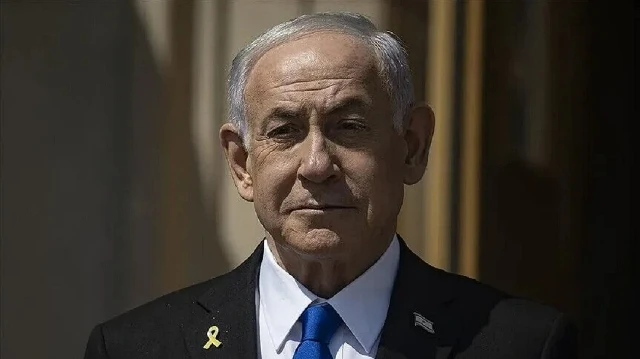
Netanyahu responded by criticizing the agreement. He claimed Eisenkot would seek to form a government with the other opposition parties and Arab parties.
“Only a strong Likud will stop them,” Netanyahu wrote on X, referring to his Likud party.
The upcoming election is scheduled for October 27, 2026. Recent polling has shown both the pro-Netanyahu bloc and the opposition facing difficulty securing the 61 seats needed for a parliamentary majority.
The latest developments therefore center on whether the opposition parties can maintain their coordination through the election and translate their cooperation into a governing coalition afterward.