

Jakarta, ThedailyID — A suddenly higher electricity bill can be confusing, especially when your daily routine feels unchanged.
However, several small habits can quietly increase household power consumption. Leaving chargers plugged in or running an air conditioner in an empty room can add unnecessary energy use.


Over time, these habits can make household energy use less efficient. Therefore, recognizing them can help families control their monthly expenses.
Here are seven everyday habits that could be driving up your electricity bill.
1. Leaving devices plugged in
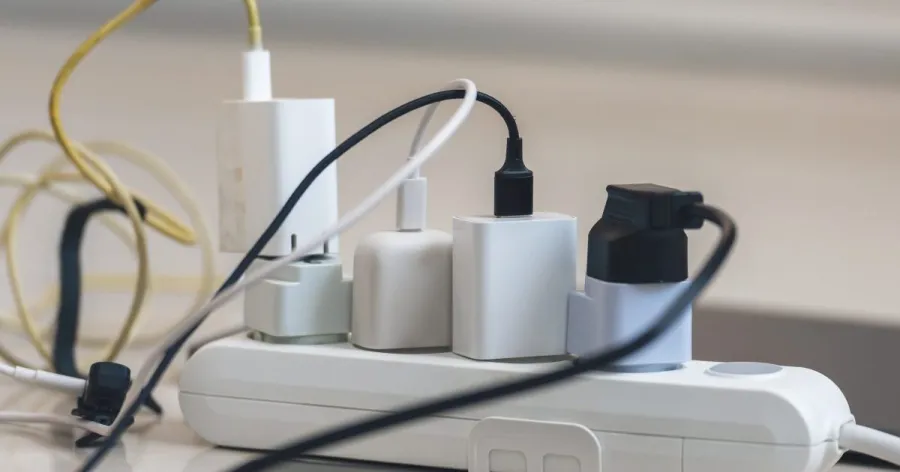
Chargers, televisions and other electronics can still consume some electricity while connected to an outlet. This is known as standby power or “vampire power.”
One device may use very little energy. However, several devices running in standby mode can add to household consumption over time.
Unplug chargers and electronics when you no longer need them. This simple step can reduce unnecessary electricity use.
2. Running the AC in an empty room
Air conditioners can consume significant amounts of electricity. Leaving one running while nobody uses the room can therefore waste energy.
A very low temperature setting can also make the AC work longer. The US Department of Energy recommends moderate temperature settings to improve energy efficiency.
For a comfortable room, a setting around 24–26 degrees Celsius can be a practical option. Also, remember to turn off the AC when leaving the room for an extended period.
3. Opening the refrigerator too often
A refrigerator operates continuously to keep food cold. Every time you open the door, cold air escapes while warmer air enters.
The refrigerator then needs to work again to restore the desired temperature. Consequently, repeatedly opening the door can increase its workload.
The US Department of Energy recommends keeping the refrigerator door closed as much as possible. Taking several items at once can also reduce the need to open it repeatedly.
4. Leaving lights on during the day
Lights can waste electricity when they remain on in empty rooms. The same applies when natural sunlight already provides enough illumination.
One light may not dramatically increase your bill. Nevertheless, leaving lights on across several rooms every day can add up.
Turn off lights when leaving a room. During the day, use natural light whenever conditions allow.
5. Ironing clothes in small batches
An electric iron requires considerable power while heating its surface. Using it repeatedly for only a few pieces of clothing can therefore be less efficient.
Each session requires the iron to heat up again. As a result, frequent ironing can increase overall electricity use.
Instead, consider ironing several items in one session. Besides saving time, this approach can reduce how often you use the appliance.
6. Leaving the television on when nobody is watching
Some people keep the television running as background noise while doing other activities. However, the device continues consuming electricity as long as it remains switched on.
If the television stays on for several hours without anyone watching, that consumption continues unnecessarily. Turn it off when you no longer need it.
7. Running the washing machine with very little laundry
Running a washing machine for only a few clothes may seem convenient. However, each washing cycle still requires energy to operate the machine.
Depending on the program, the cycle can also involve water heating and other functions. Those requirements remain even when the load is small.
Therefore, wait until you have enough laundry for an appropriate load whenever possible. At the same time, avoid overloading the machine because that can affect washing performance.
Reducing electricity use does not require major changes. Small steps can make a difference when you practice them consistently.
Unplugging unused chargers, adjusting AC settings and turning off unnecessary lights can help. Likewise, using appliances more efficiently can reduce wasted energy.
Ultimately, smarter daily habits can make household electricity use more efficient. They can also help prevent monthly electricity expenses from rising unnecessarily.