
Jakarta, ThedailyID — Nepal has urged Meta and TikTok to act faster against disturbing images, AI-generated videos, fake donation QR codes and misinformation spreading online after deadly floods hit the country.
The Nepalese government met representatives from both platforms on Friday (28/8). Officials asked the companies to remove content that could mislead the public, disrupt relief efforts or cause further distress to victims’ families.


Bijay Kumar Roy, coordinator of Nepal’s Social Media Regulation and Management Task Force, said direct coordination with the platforms remains crucial.
“Because internet service providers can only block entire website domains, direct coordination with platform operators is extremely important,” Roy said, according to The Straits Times, Sunday (30/08).
The government also urged Meta and TikTok to improve their algorithms. Officials want the platforms to automatically detect and block violent or false content when users upload it.
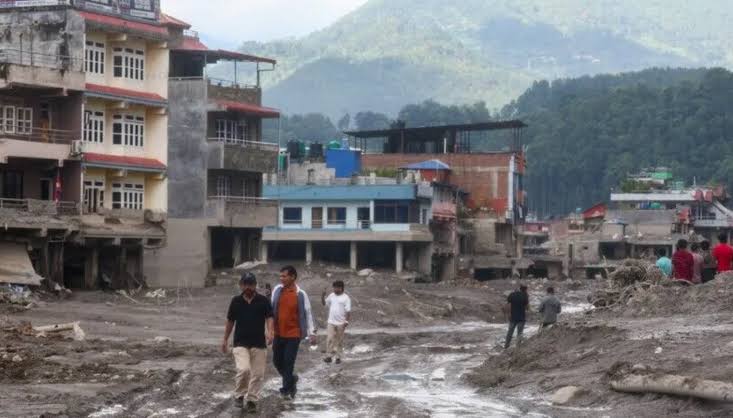
The request follows the spread of misleading content after floods struck Nepal on Wednesday (26/8). Old videos resurfaced as if they showed the latest disaster, while AI-generated images and videos appeared to depict real scenes from affected areas.

Authorities also found fake QR codes used to collect donations for flood victims. Officials warned that the scams could exploit public sympathy and divert money meant for disaster relief.
Meta and TikTok have appointed representatives in Nepal to coordinate directly with authorities. Both platforms have removed reported content after receiving complaints.
However, Roy said the response remains too slow. Social media platforms currently take around 24 to 48 hours to act on reported posts.
Nepal wants the response time reduced significantly. Officials also asked platforms to blur distressing photos and videos, especially those showing victims and the aftermath of the disaster.
The government has formed an interagency team involving the Ministry of Communication and Information, Nepal Telecommunications Authority and Ministry of Home Affairs to monitor harmful online content during the crisis.
Nepal’s Ministry of Communication also urged media outlets and social media users to avoid sharing unverified reports and manipulated content.
“We urge all national and local media and social media users not to spread unverified rumors, fabricated content or AI-generated material that could cause panic,” the ministry said.