

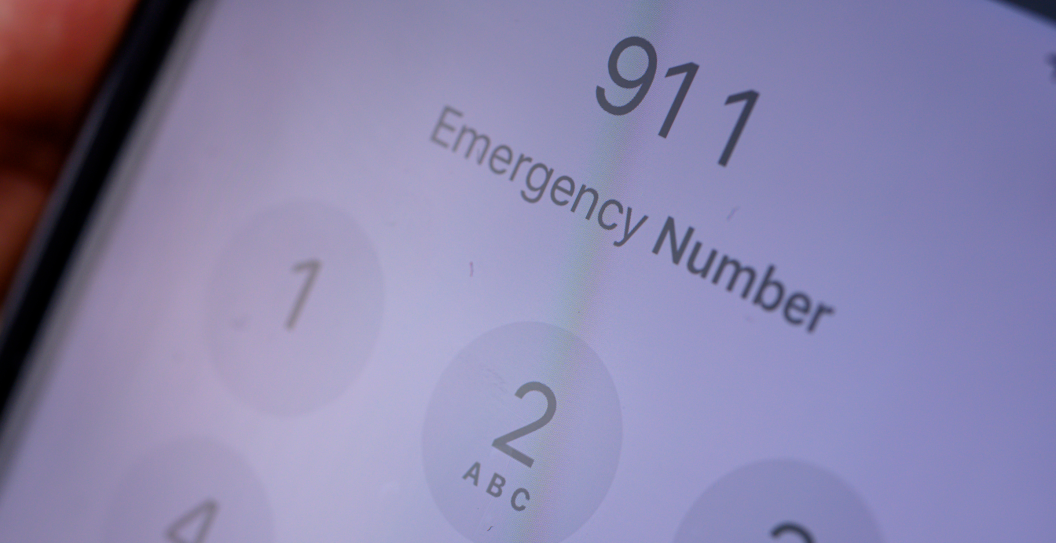
Jakarta, ThedailyID — New Orleans has become the first major US city to allow artificial intelligence (AI) to directly answer emergency 911 calls.
The system, known as AI Emergency Call Triage, was introduced in late July after being tested through the city’s non-emergency 311 hotline.


The AI analyzes incoming calls and helps determine their priority. Calls requiring immediate attention are forwarded to human operators, while lower-priority or repetitive calls can be handled by the system.
The move comes as New Orleans receives more than 1,000 emergency calls every day, making it one of the busiest emergency call centers in the United States.
Orleans Parish Communications District Executive Director Karl Fasold stressed that the technology is not intended to replace human operators. The system is primarily used when all operators are busy and the caller is within about 200 meters of the reported incident.
However, the move has sparked concerns among emergency service professionals. Critics warn that AI could struggle to understand callers who are panicked, unable to speak clearly or communicating indirectly.
Boxy, a former 911 operator who says he worked in the field for 11 years, called the idea a bad one.
“There are scenarios where someone can’t speak clearly or has a strong accent,” Boxy said, citing domestic violence situations where victims may disguise an emergency by pretending to order a pizza.
“You need a human,” he added.
Other concerns include voice recognition errors, misunderstandings and cybersecurity vulnerabilities. Emergency callers are often under extreme stress, making accurate communication particularly difficult.
New Orleans is not the only US city using AI in its 911 system. Atlanta uses AI to help locate callers and support multilingual communication, while Seattle has used similar technology since 2024 to help prioritize emergency calls.
Despite the concerns, New Orleans officials believe the system can operate effectively with human oversight, trained data, cybersecurity measures and safeguards for its algorithms.