
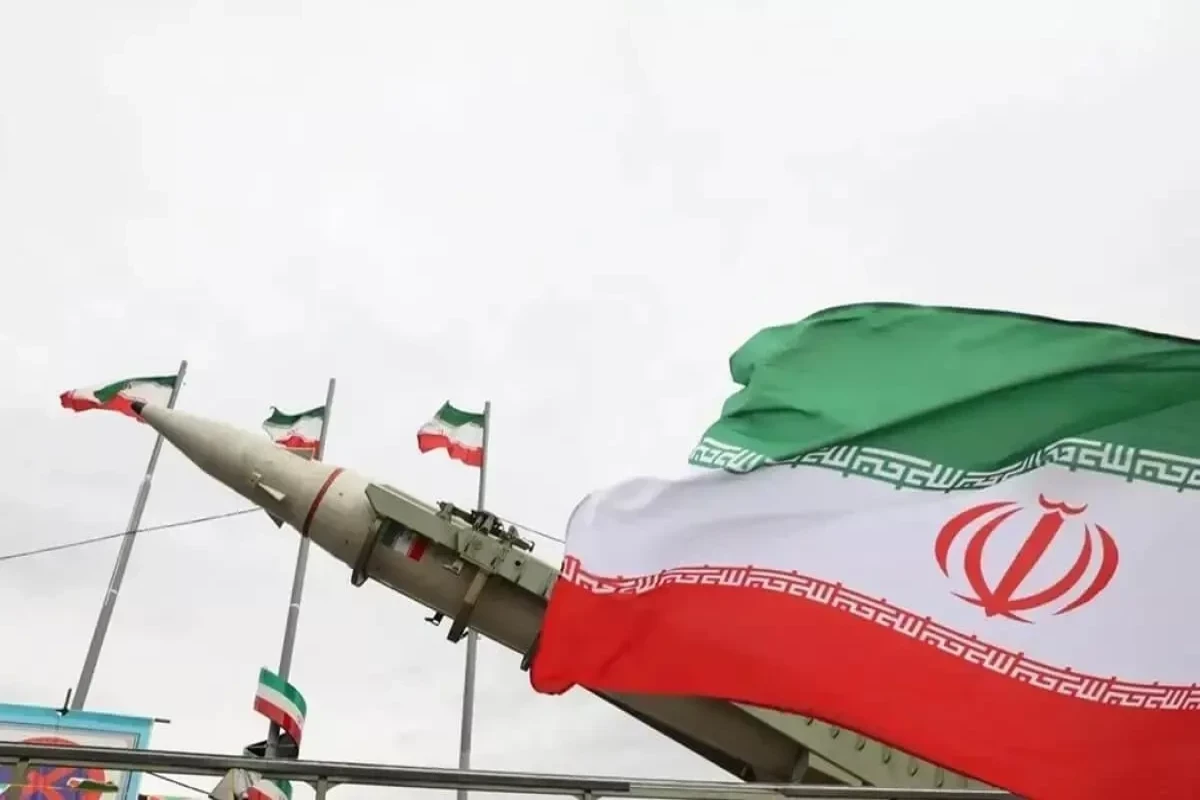
Jakarta, ThedailyID — Iran has claimed its military inflicted significant damage on United States military facilities across the Middle East during the 17-day conflict that erupted in July. Tehran said the campaign forced Washington to evacuate key military bases in the region.
Mohsen Rezaei, a senior military adviser to Iran’s Supreme Leader, said the Islamic Revolutionary Guard Corps (IRGC) launched retaliatory strikes against US military installations during the conflict.

“We should call this conflict the Third War or the 17-Day Muharram War, in which we also dealt a heavy blow to America,” Rezaei said in an interview with Iranian media on Monday, as quoted by Mehr News.
He added that the conflict may have appeared unusual to the international community. However, Iranian officials had anticipated it.
Rezaei cited US military bases in Iraq and Kuwait as evidence of Iran’s military success. He claimed the attacks forced the United States to evacuate personnel from both facilities.
The senior adviser also predicted that US President Donald Trump would abandon the Islamabad Memorandum of Understanding (MoU). He said Washington would withdraw from the agreement and resume military operations against Iran.
According to Rezaei, the United States failed to honor both the MoU and the ceasefire agreement. He claimed Washington complied with the terms for only the first five days.
Rezaei also accused the United States of trying to establish a new security arrangement in the Strait of Hormuz.
“The US tried to create a new arrangement by establishing a corridor south of the Strait of Hormuz and ignored the Islamic Republic of Iran’s warnings. Therefore, our forces targeted two or three ships to make them comply with the agreement,” he said.
Meanwhile, the latest remarks followed renewed fighting that erupted in mid-July. The United States launched another round of military strikes against Iran, prompting Tehran to respond with retaliatory attacks.
The renewed conflict came despite an MoU signed in June. The agreement called for both countries to end military operations and respect each other’s sovereignty. It also placed Iran in charge of security arrangements in the Strait of Hormuz on a temporary basis.
Earlier, Washington and Tehran had reached a ceasefire in April. They later extended the agreement indefinitely. Nevertheless, Iranian officials said US forces continued carrying out military strikes between April and June.