

Jakarta, ThedailyID — Teaching children responsibility from an early age can help them develop independence, confidence, and strong decision-making skills. Experts say parents play a key role by encouraging responsibility through everyday routines rather than punishment.
Here are seven practical ways parents can help children learn responsibility.


Give Children More Independence
Children as young as two or three can begin taking on simple responsibilities. Parents can encourage them to put away toys, place dirty clothes in the laundry basket, or throw rubbish into the bin.
At first, adults should offer guidance. As children become more confident, parents can gradually step back and allow them to complete the tasks on their own.
Praise Their Efforts
Positive reinforcement helps children stay motivated. Praising them after they complete a task can build confidence and encourage them to repeat responsible behaviour.
Guide Their Decisions
Children make small decisions every day, from choosing clothes to selecting snacks or toys. Parents can support this process by explaining the consequences of each choice and helping children understand why one option may be better than another.
Lead by Example
Children often learn by watching adults. Parents who complete household chores, meet commitments, and manage daily responsibilities set a strong example for their children to follow.
Increase Responsibilities Gradually
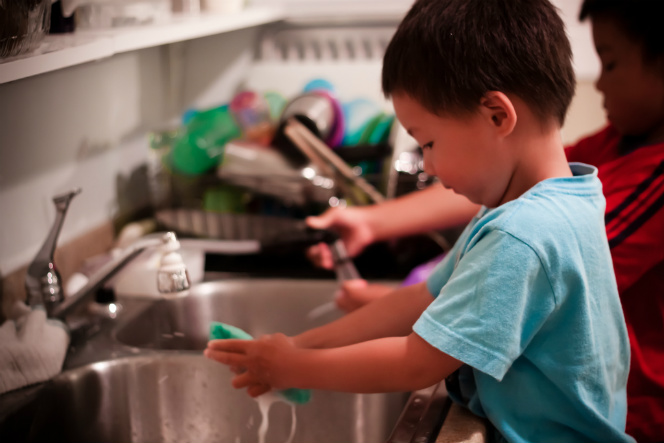
As children grow, parents can introduce more meaningful household tasks. These may include setting the table, wiping surfaces, washing dishes, preparing simple meals, or helping care for family pets.
Giving children age-appropriate responsibilities helps them develop confidence while teaching the value of contributing to the household.
Review Their Progress
Parents should regularly observe how children handle responsibilities. If a child struggles, adjusting expectations or providing additional guidance can make the learning process more effective.
Treat Mistakes as Learning Opportunities
Children will make mistakes while learning new responsibilities. Instead of reacting with harsh criticism, parents can use those moments to teach problem-solving and encourage children to try again.
Experts say patience and consistency are essential. By introducing responsibility through everyday experiences, parents can help children develop healthy habits that benefit them throughout life.